Managing Side Effects of Leukemia Cancer Treatment in the USA
Leukemia cancer treatment is often intensive and can affect both cancerous and healthy cells. As a result, side effects are common during and after treatment. In the USA, managing these effects has become an essential part of comprehensive leukemia care.
Modern treatment plans aim to balance effectiveness with patient well-being.
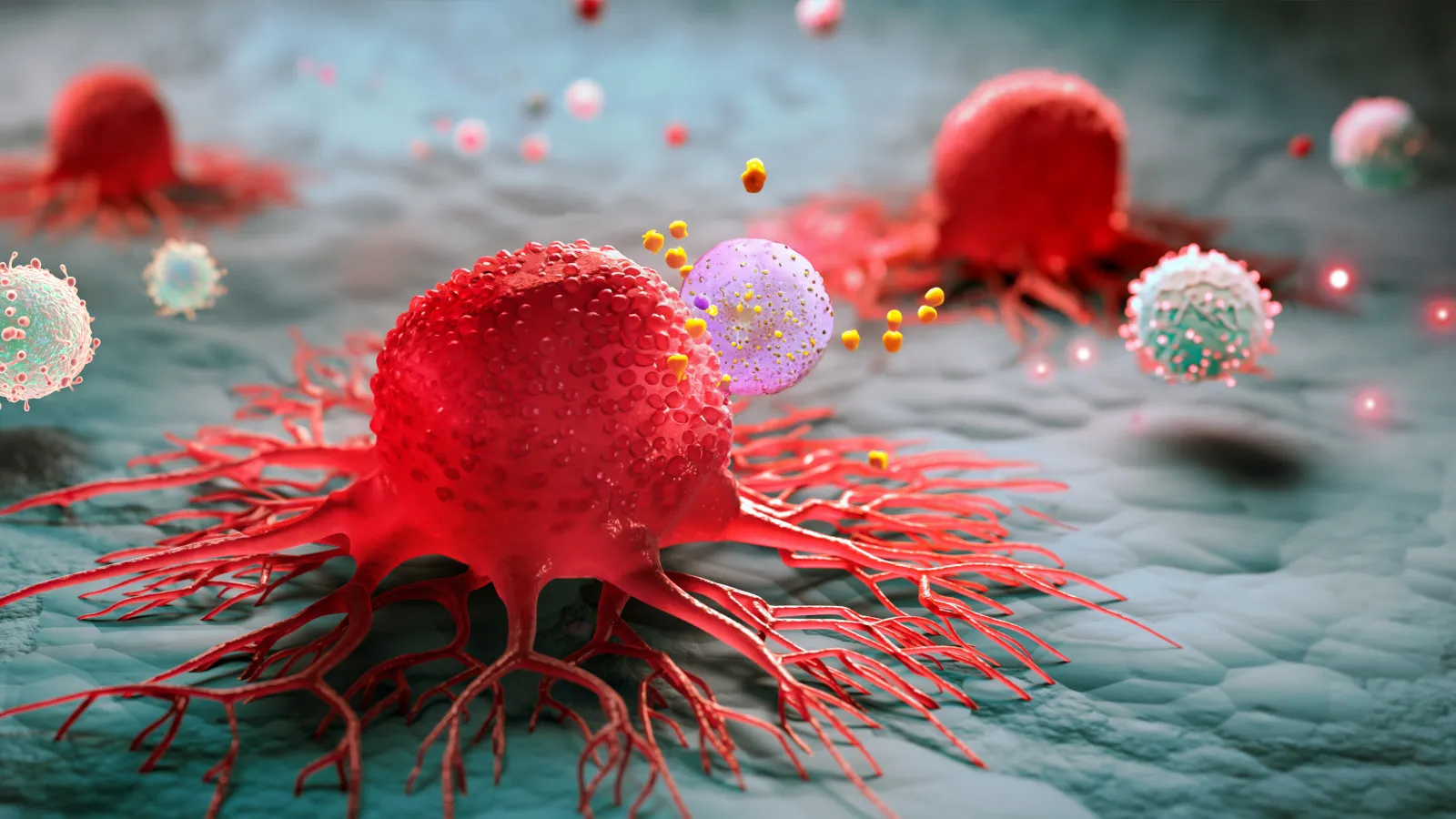
Common Side Effects During Leukemia Treatment
Side effects vary depending on the type of leukemia, treatment method, and individual health. Some of the most frequently reported effects include fatigue, nausea, infections, hair loss, and changes in blood counts.
Targeted therapy and immunotherapy may cause different side effects, such as immune-related reactions or skin changes, which require specialized monitoring.
Advances in Supportive Care Reduce Treatment Burden
Supportive care has advanced significantly in the USA, helping patients tolerate leukemia cancer treatment more effectively. Medications are commonly used to control nausea, pain, and inflammation, while growth factors may help restore healthy blood cell levels.
These supportive strategies allow many patients to continue treatment with fewer interruptions.
Infection Prevention Is a Major Priority
Leukemia and its treatment can weaken the immune system, increasing infection risk. U.S. cancer centers place strong emphasis on infection prevention through monitoring, preventive medications, and patient education.
Early detection and prompt treatment of infections are critical to maintaining treatment continuity.
Managing Fatigue and Physical Weakness
Fatigue is one of the most common and persistent side effects of leukemia cancer treatment. Doctors often recommend a combination of rest, light physical activity, nutritional support, and symptom evaluation to manage fatigue.
Personalized care plans help patients maintain strength and energy levels throughout treatment.
Emotional Side Effects and Mental Health Care
In addition to physical symptoms, leukemia treatment can take an emotional toll. Anxiety, stress, and mood changes are common, particularly during long treatment courses.
Mental health services, counseling, and support groups are widely integrated into leukemia care programs in the USA to support emotional well-being.
Monitoring and Adjusting Treatment When Needed
Healthcare teams continuously monitor side effects during leukemia treatment. If symptoms become severe, treatment doses may be adjusted or supportive therapies intensified.
This flexible approach helps maintain treatment effectiveness while prioritizing patient safety.
Long-Term Side Effects After Treatment Ends
Some side effects may persist after leukemia treatment is completed. Long-term monitoring helps identify late effects such as cardiovascular issues, hormonal changes, or secondary health conditions.
Survivorship programs in the USA are designed to address these long-term concerns through coordinated follow-up care.
Conclusion
Managing side effects is a vital part of leukemia cancer treatment in the USA. Through advanced supportive care, close monitoring, and patient-centered treatment plans, healthcare providers help reduce discomfort and improve quality of life. As treatment options continue to evolve, side-effect management remains central to successful leukemia care and long-term recovery.