Lung Cancer: A Comprehensive Guide to Causes, Symptoms, Diagnosis, Treatment, and Survivorship
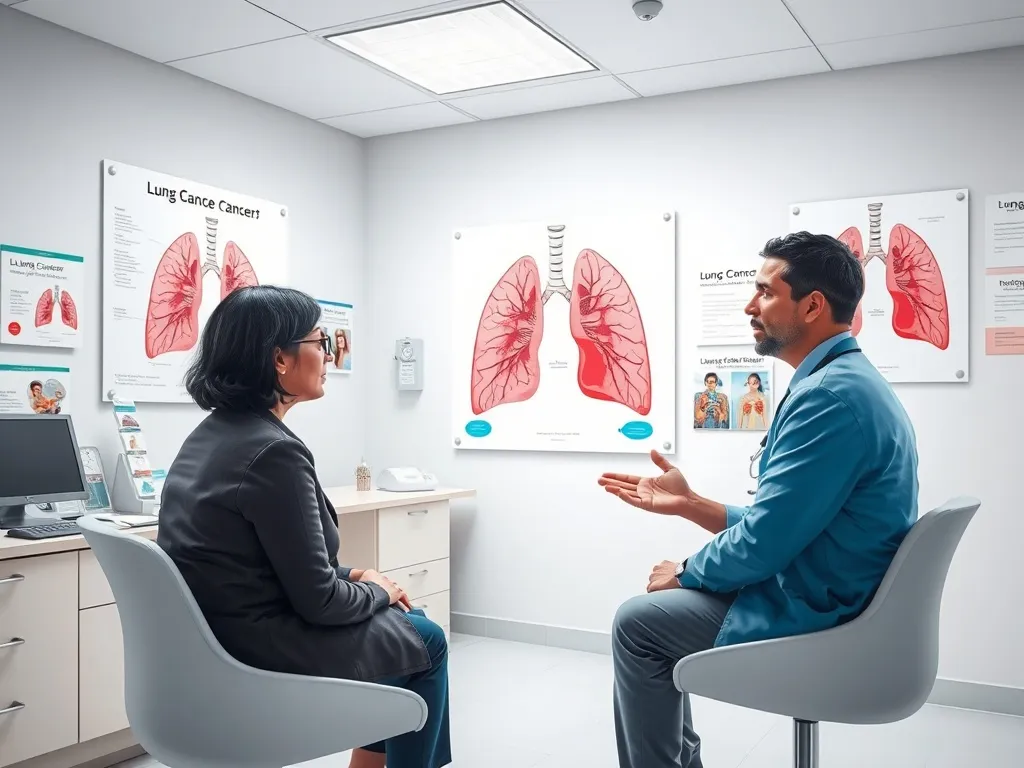
Lung Cancer remains one of the most serious and widespread cancers worldwide. Despite major advances in medicine, it continues to affect millions of people every year and is responsible for more cancer-related deaths than any other type. Understanding lung cancer—from its earliest biological changes to long-term survivorship—is essential for patients, families, caregivers, and anyone focused on prevention and early detection.
This in-depth article explores lung cancer in a logical, time-based progression: how it begins, how it develops, how it is diagnosed and treated, and what life looks like after treatment. The goal is to provide clear, accurate, and practical information while empowering readers to make informed health decisions.
1. Understanding Lung Cancer and How It Begins
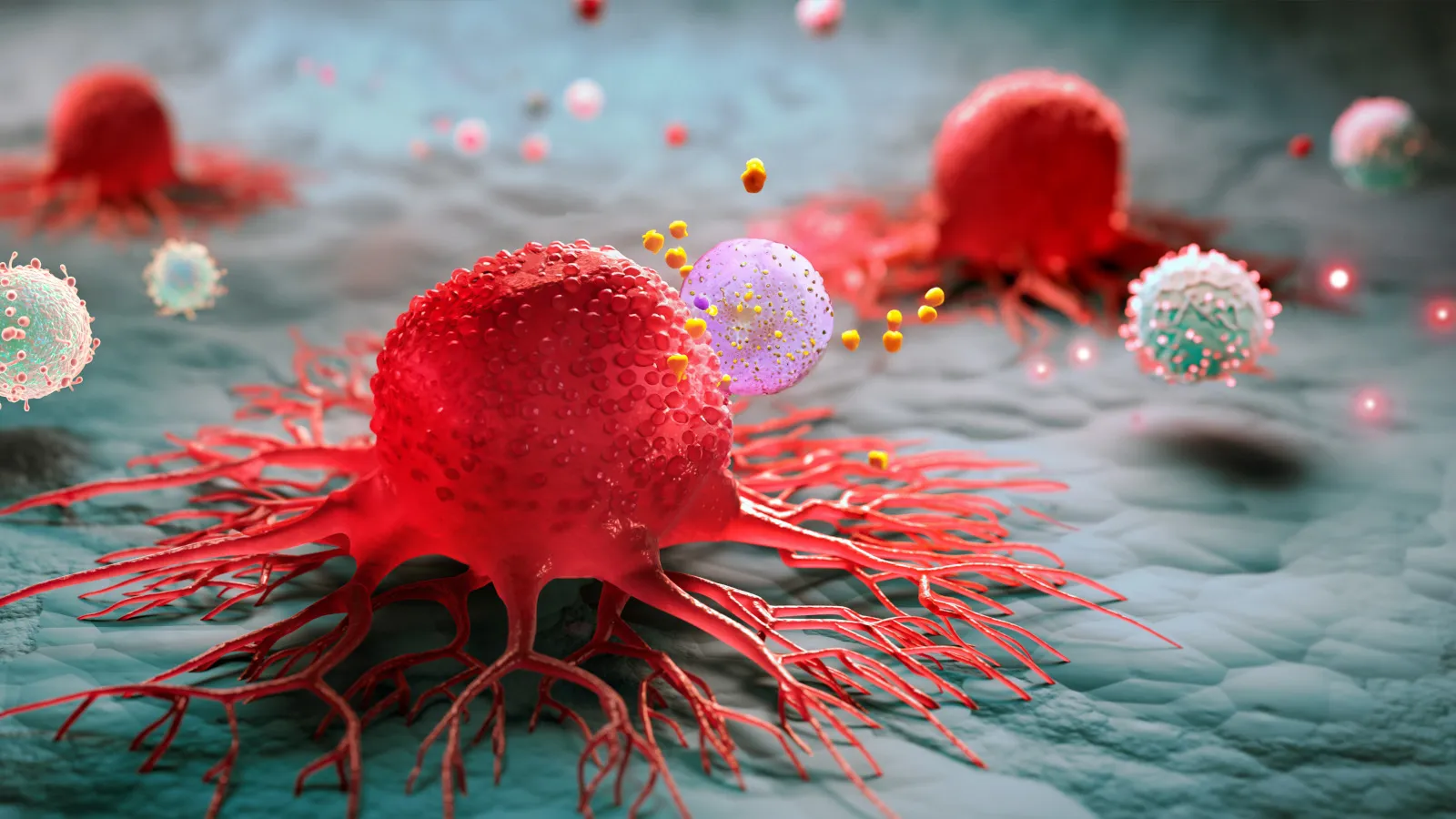
Lung Cancer starts when abnormal cells grow uncontrollably in one or both lungs. These cells do not develop into healthy lung tissue and instead form tumors that interfere with breathing and oxygen exchange. Over time, cancer cells can invade nearby tissues or spread to other parts of the body.
Most cases of lung cancer originate in the cells lining the airways. Genetic mutations—often triggered by long-term exposure to harmful substances—cause normal cells to grow uncontrollably. While smoking is the most well-known cause, non-smokers can also develop the disease.
Types of Lung Cancer
The two main categories of lung cancer are defined by how the cancer cells look under a microscope:
- Non-small cell lung cancer (NSCLC)
- Small cell lung cancer (SCLC)
Why Cell Type Matters
Each type of lung cancer behaves differently and responds to specific treatments. Correct classification is essential for building an effective treatment plan.
2. Risk Factors and Causes Over Time
The development of lung cancer is often the result of long-term exposure to carcinogens. Smoking remains the leading risk factor, responsible for the majority of cases worldwide. Tobacco smoke contains thousands of harmful chemicals that damage lung cells over time.
However, lung cancer is not exclusive to smokers. Environmental and occupational exposures also play a significant role, especially with prolonged contact.
Major Risk Factors
- Cigarette and tobacco smoking
- Secondhand smoke exposure
- Radon gas
- Asbestos and industrial chemicals
- Air pollution
- Family history of lung cancer
Non-Smokers and Lung Cancer
Roughly 10–20% of lung cancer cases occur in people who have never smoked. This highlights the importance of environmental awareness and early screening.
3. Early Symptoms and Warning Signs
In its early stages, lung cancer may not cause noticeable symptoms. This silent progression is one reason the disease is often diagnosed late, when treatment options are more limited.
As tumors grow, symptoms gradually appear and may worsen over time. Paying attention to subtle changes in respiratory health is critical.
Common Early Symptoms
- Persistent cough
- Shortness of breath
- Chest pain
- Fatigue
- Unexplained weight loss
When to See a Doctor
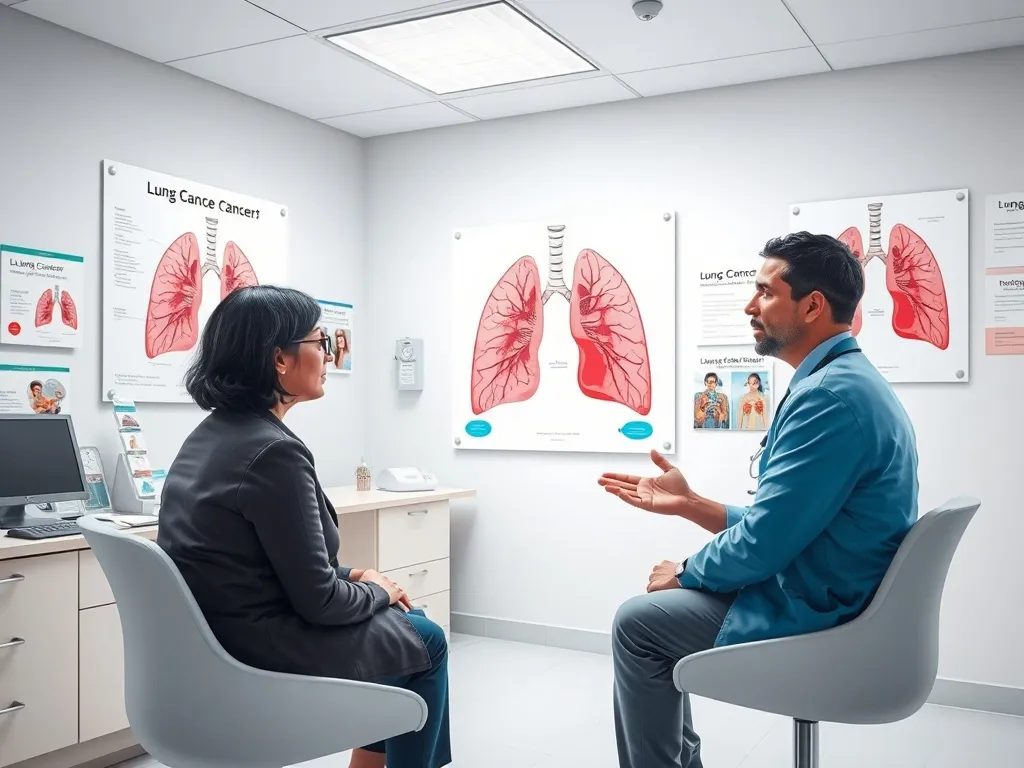
Any persistent respiratory symptoms lasting more than a few weeks should prompt medical evaluation, especially in individuals at high risk for lung cancer.
4. Advanced Symptoms and Disease Progression
As lung cancer advances, symptoms become more severe and may affect other organs. This usually indicates that the cancer has grown significantly or spread beyond the lungs.
Advanced-stage lung cancer can impact quality of life and requires comprehensive symptom management alongside cancer treatment.
Signs of Advanced Lung Cancer
- Coughing up blood
- Severe chest pain
- Hoarseness
- Bone pain
- Neurological symptoms if spread to the brain
Metastatic Spread
Lung cancer commonly spreads to the brain, liver, bones, and adrenal glands, making early detection critically important.
5. Diagnostic Methods and Medical Evaluation
Diagnosing lung cancer involves a combination of imaging tests, laboratory analysis, and tissue biopsy. The diagnostic process aims to confirm cancer, identify its type, and determine how far it has spread.
Early and accurate diagnosis significantly improves treatment outcomes and survival rates.
Common Diagnostic Tools
- Chest X-ray
- CT scan
- PET scan
- Bronchoscopy
- Needle biopsy
Role of Biomarker Testing
Modern lung cancer care often includes molecular testing to identify genetic mutations that can guide targeted therapy.
6. Staging and Severity Assessment
Once lung cancer is diagnosed, doctors determine its stage. Staging describes the size of the tumor, lymph node involvement, and whether the cancer has spread to distant organs.
The stage of lung cancer directly influences treatment choices and prognosis.
Lung Cancer Stages
- Stage I: Localized
- Stage II–III: Regional spread
- Stage IV: Distant metastasis
Why Staging Is Crucial
Accurate staging ensures patients receive the most appropriate and effective treatment strategy.
7. Treatment Options Across Disease Stages
Treatment for lung cancer depends on cancer type, stage, overall health, and patient preferences. Advances in medical science have expanded options beyond traditional chemotherapy.
Many patients receive a combination of treatments tailored to their specific diagnosis.
Main Treatment Approaches
- Surgery
- Radiation therapy
- Chemotherapy
- Targeted therapy
- Immunotherapy
Personalized Treatment Plans
Precision medicine has transformed lung cancer care by matching treatments to individual tumor genetics.
8. Side Effects and Treatment Management
Treating lung cancer can cause side effects that vary depending on the therapy used. Managing these effects is an essential part of comprehensive care.
Supportive treatments help patients maintain strength, comfort, and emotional well-being during therapy.
Common Side Effects
- Fatigue
- Nausea
- Hair loss
- Appetite changes
- Increased infection risk
Supportive Care
Nutrition, pain management, and mental health support play key roles in improving outcomes for lung cancer patients.
9. Recovery, Rehabilitation, and Survivorship
Life after lung cancer treatment involves physical recovery, emotional adjustment, and ongoing monitoring. Survivorship care focuses on long-term health and preventing recurrence.
Many survivors lead fulfilling lives with appropriate follow-up care and lifestyle modifications.
Post-Treatment Care
- Regular imaging and checkups
- Pulmonary rehabilitation
- Smoking cessation
- Physical activity
Emotional Recovery
Survivors of lung cancer may experience anxiety or fear of recurrence, making psychological support essential.
10. Prevention, Screening, and Future Outlook
Preventing lung cancer begins with reducing exposure to risk factors, particularly smoking. Early screening has proven effective in detecting cancer before symptoms appear.
Ongoing research continues to improve early detection methods and develop more effective treatments.
Prevention Strategies
- Avoid tobacco
- Test homes for radon
- Use protective equipment at work
- Maintain a healthy lifestyle
Hope for the Future
Advances in immunotherapy and early screening are steadily improving survival rates for lung cancer.
Conclusion
Lung Cancer is a complex and challenging disease, but progress in prevention, diagnosis, and treatment has created new hope for patients worldwide. Understanding risk factors, recognizing symptoms early, and accessing modern therapies can dramatically improve outcomes. With continued research, awareness, and compassionate care, the future of lung cancer management continues to grow brighter.