Dental Implant for Senior: A Complete Guide to Restoring Healthy Smiles in Older Adults
As people grow older, maintaining good oral health becomes increasingly important for overall health, nutrition, and confidence. Tooth loss is a common issue among aging adults, often affecting speech, chewing ability, and facial appearance. Fortunately, modern dentistry offers a highly effective solution known as dental implant for senior patients. Dental implants allow older adults to replace missing teeth with strong, natural-looking alternatives that function just like real teeth.
In recent years, the demand for dental implant for senior treatments has increased significantly. Advances in dental technology and surgical techniques have made implants safer and more accessible for older individuals. Many seniors today choose implants instead of traditional dentures because they provide better stability, comfort, and long-term durability. This guide explains everything seniors need to know about dental implants, including benefits, procedures, costs, risks, and long-term care.
Understanding Dental Implant for Senior Patients
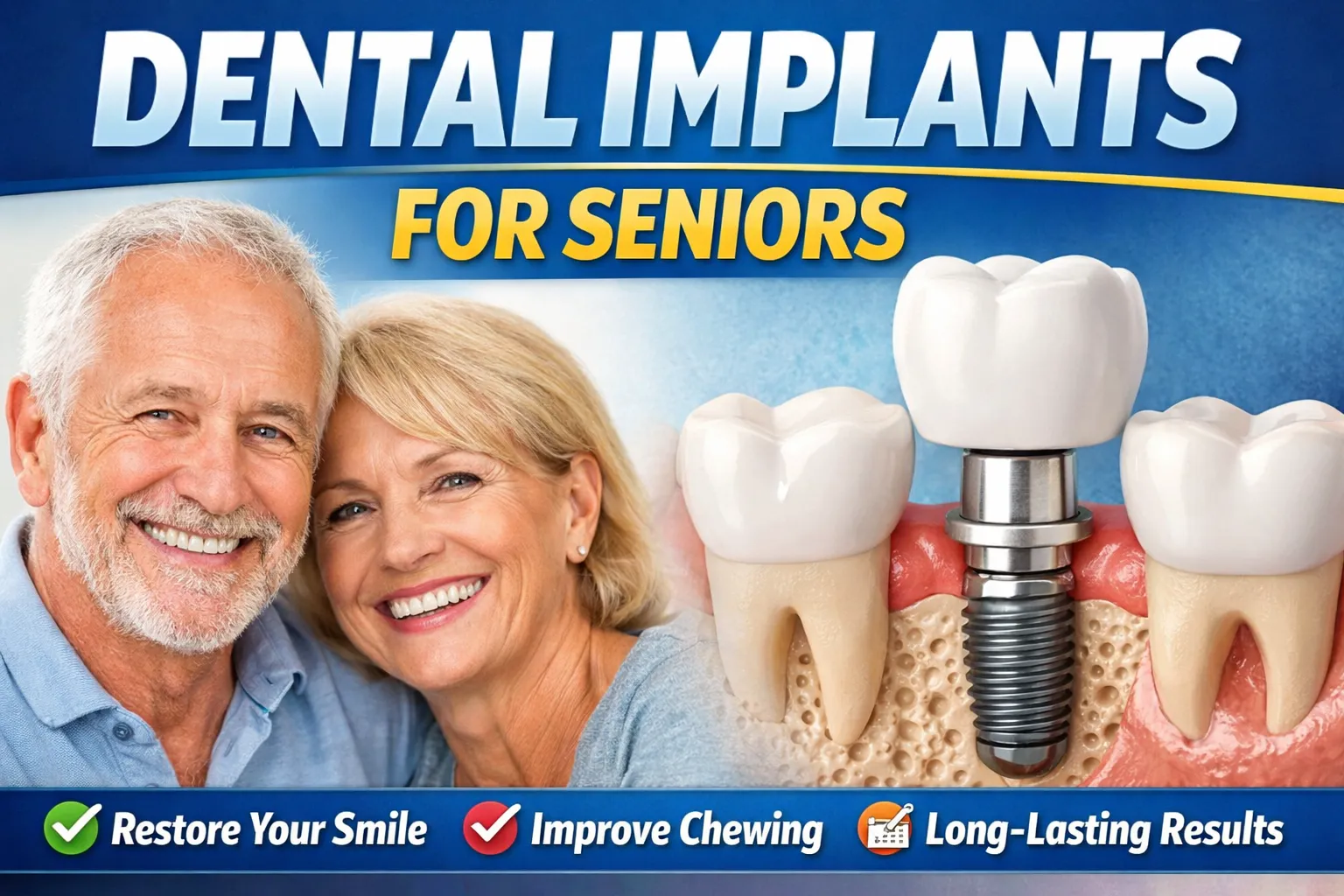
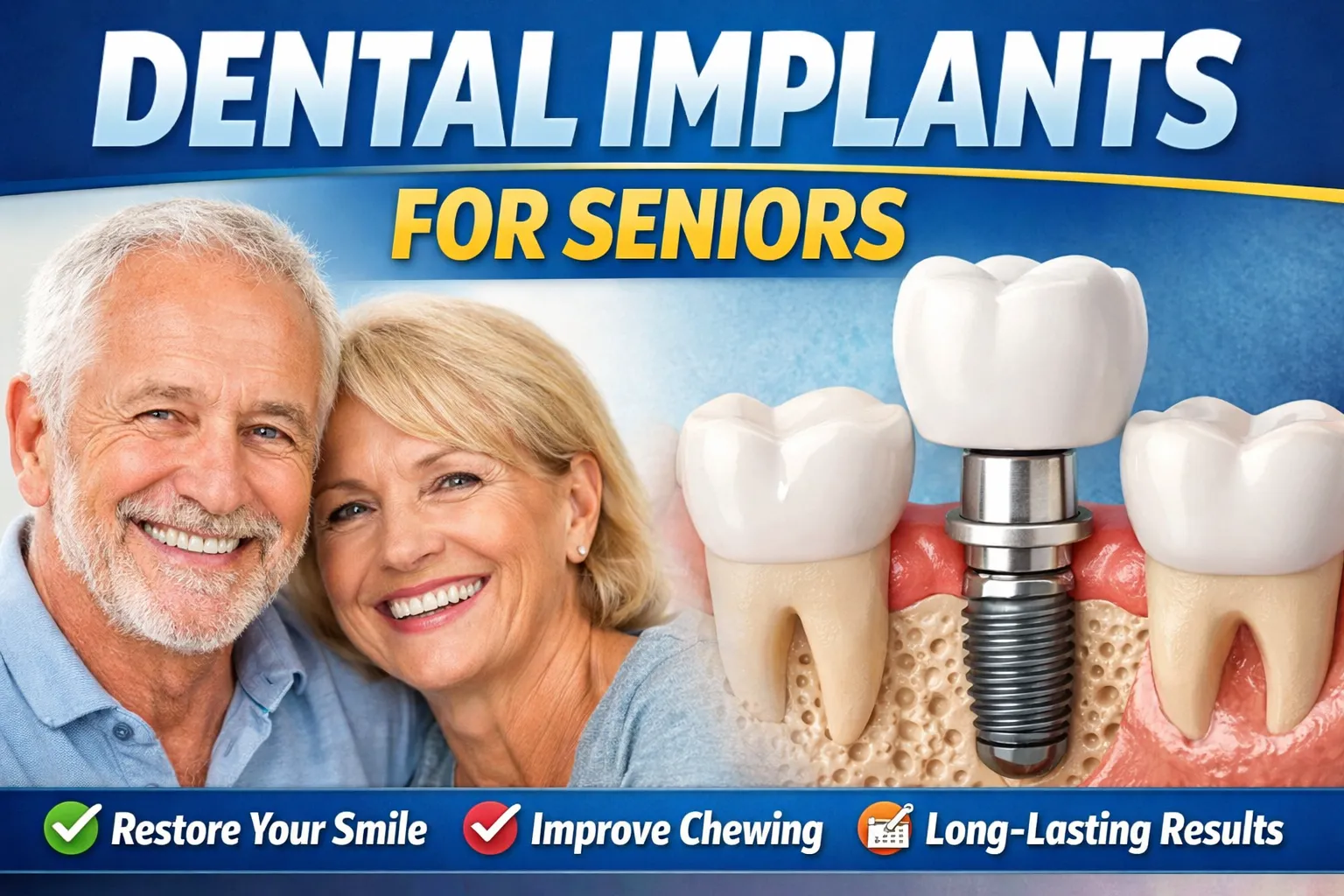
A dental implant for senior is an artificial tooth root that is surgically placed into the jawbone to support a replacement tooth or dental prosthetic. The implant is typically made of titanium, a biocompatible material that fuses naturally with the bone through a process known as osseointegration.
Once the implant integrates with the bone, a connector piece called an abutment is attached to the implant. A dental crown, bridge, or denture is then placed on top of the abutment to restore the appearance and function of the missing tooth. This system creates a stable and permanent replacement that feels similar to natural teeth.
Key Components of Dental Implants
- Implant post (artificial tooth root)
- Abutment (connector piece)
- Dental crown or prosthetic tooth
Why Seniors Choose Dental Implants
- Long-term durability
- Natural look and feel
- Improved chewing ability
- Greater comfort compared to dentures
- Preservation of jawbone structure
Why Tooth Loss Is Common Among Seniors
Tooth loss becomes more common with age due to several oral health factors. Gum disease, tooth decay, trauma, and long-term wear can all contribute to the loss of natural teeth. For this reason, dental implant for senior patients has become an important solution in restorative dentistry.
One of the leading causes of tooth loss among seniors is periodontal disease. This condition affects the gums and supporting bone around the teeth. If left untreated, it can cause teeth to loosen and eventually fall out.
Another factor contributing to tooth loss is the cumulative effect of years of dental wear. Older adults may also have experienced dental care limitations earlier in life, leading to missing teeth later on.
Major Causes of Tooth Loss
- Advanced gum disease
- Untreated cavities
- Tooth fractures or trauma
- Poor oral hygiene over time
- Natural aging of teeth and bone
Benefits of Dental Implant for Senior Individuals
Choosing a dental implant for senior treatment provides several significant benefits that go beyond cosmetic improvement. Dental implants restore proper chewing function, allowing seniors to eat a wider range of nutritious foods, including fruits, vegetables, and proteins.
Another important benefit is bone preservation. When a tooth is lost, the surrounding jawbone begins to shrink due to lack of stimulation. Dental implants mimic natural tooth roots and stimulate the bone, preventing deterioration.
Main Benefits
- Permanent solution for missing teeth
- Improved speech and chewing ability
- Better facial structure support
- Increased confidence and self-esteem
- Prevention of bone loss in the jaw
Are Seniors Good Candidates for Dental Implants?
Many people believe age automatically disqualifies someone from receiving implants, but this is not true. Age alone is not a determining factor. In fact, many dental implant for senior procedures are successfully performed on patients in their 60s, 70s, and even 80s.
Instead of age, dentists evaluate overall health, bone density, and gum condition. Seniors who maintain good oral hygiene and have adequate bone support are often excellent candidates for dental implants.
Even patients with some bone loss may still qualify with additional procedures such as bone grafting.
Factors That Determine Eligibility
- Healthy gums
- Adequate jawbone density
- No uncontrolled chronic diseases
- Commitment to oral hygiene and follow-up care
The Dental Implant Procedure Step by Step
The process of receiving a dental implant for senior patients typically takes several months. This allows the implant to integrate fully with the bone before the final restoration is attached.
Although the treatment involves multiple stages, modern dental techniques make the procedure relatively comfortable and predictable.
Step-by-Step Implant Process
- Initial consultation and examination
- X-rays or 3D imaging of the jawbone
- Implant placement surgery
- Healing period for bone integration
- Abutment placement
- Final crown or prosthetic attachment
Typical Healing Timeline
- Implant surgery: 1–2 hours
- Bone integration: 3–6 months
- Final crown placement: 2–3 weeks
Types of Dental Implants for Seniors
Several implant options exist depending on the patient’s oral condition. The choice of dental implant for senior treatment often depends on how many teeth need replacement and the health of the jawbone.
Some seniors may only need a single implant, while others may benefit from full-mouth restoration using multiple implants.
Common Implant Types
- Single tooth implants
- Implant-supported bridges
- Implant-supported dentures
- All-on-4 full arch implants
Choosing the Right Implant Option
The best solution depends on factors such as bone density, number of missing teeth, budget, and long-term oral health goals.
Cost of Dental Implant for Senior Patients
The cost of a dental implant for senior procedure can vary significantly depending on several factors, including location, dentist experience, and additional treatments required.
While implants may initially appear expensive, they are often more cost-effective over the long term because they can last decades with proper care.
Average Cost Range
- Single dental implant: $3,000 – $5,000
- Implant-supported bridge: $5,000 – $15,000
- Full-mouth implant restoration: $20,000 – $40,000
Insurance Coverage
Some dental insurance plans partially cover implants, particularly when tooth loss affects health, chewing function, or speech.
Risks and Potential Complications
Although the success rate for dental implant for senior procedures is very high, every surgical procedure carries some potential risks. Fortunately, serious complications are rare when the procedure is performed by experienced professionals.
Possible complications may include infection, nerve irritation, or implant failure. However, proper planning and post-surgery care significantly reduce these risks.
Possible Complications
- Infection around the implant
- Implant loosening or failure
- Sinus issues in upper jaw implants
- Temporary nerve sensitivity
Recovery and Aftercare for Seniors
Recovery is an important part of the dental implant for senior treatment process. Most seniors experience mild swelling or discomfort for a few days after surgery, but symptoms are typically manageable with medication and rest.
Proper aftercare helps ensure the implant heals correctly and integrates with the jawbone.
Post-Surgery Care Tips
- Take prescribed medications as directed
- Avoid hard or crunchy foods during healing
- Maintain gentle oral hygiene around the implant area
- Attend follow-up appointments with the dentist
Alternatives to Dental Implants for Seniors
Although dental implant for senior treatments are widely considered the best option for tooth replacement, they are not the only available solution. Some patients may prefer alternatives due to financial considerations or medical conditions.
Traditional dentures and bridges remain common alternatives, though they may not provide the same stability or bone-preserving benefits as implants.
Common Alternatives
- Full removable dentures
- Partial dentures
- Fixed dental bridges
- Resin-bonded bridges
Each option has advantages and disadvantages, so consultation with a dental professional is essential before making a decision.
How Seniors Can Maintain Dental Implants Long Term
Once implants are placed, proper maintenance is essential to ensure they last for many years. A successful dental implant for senior restoration requires consistent oral hygiene and regular dental checkups.
Dental implants do not decay like natural teeth, but the surrounding gum tissue can still become infected if not properly cleaned.
Daily Implant Care Routine
- Brush teeth twice daily
- Use floss or interdental brushes
- Rinse with antibacterial mouthwash
- Schedule dental visits every six months
With proper care, many dental implants can last more than 20 years.
Conclusion
Modern dentistry has made dental implant for senior patients one of the most reliable and effective solutions for replacing missing teeth. Dental implants restore chewing ability, improve speech, and provide a natural-looking smile that enhances confidence and quality of life.
Although the treatment requires careful planning and investment, the long-term benefits often outweigh the costs. Seniors considering tooth replacement should consult a qualified dental professional to determine whether dental implants are the right solution. With proper care and professional guidance, dental implants can provide decades of comfort, functionality, and healthy smiles.