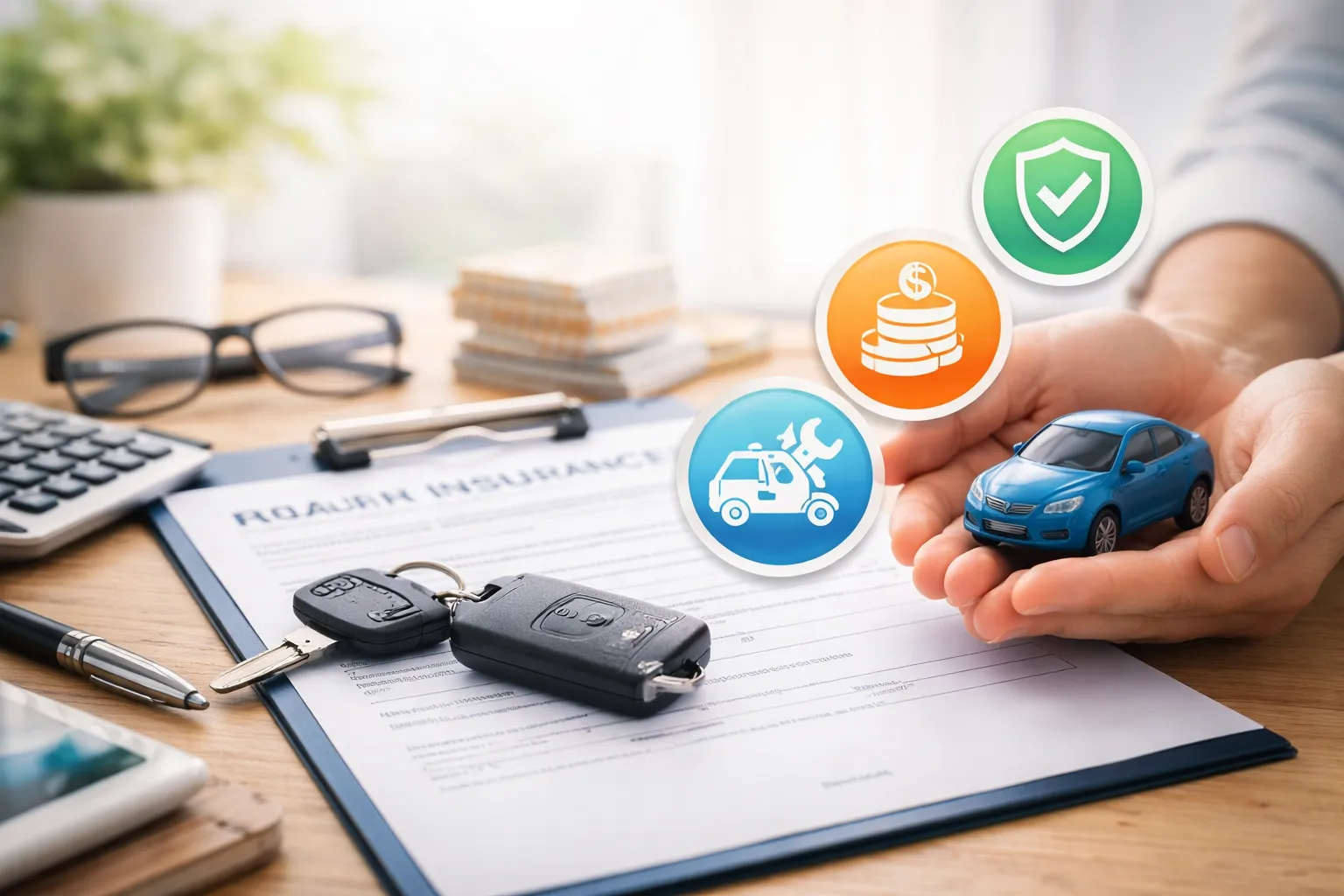
A Guide to Buying a Used Car
Buying a used car can be a smart and cost-effective decision, especially if you know what to look for. This guide to buying a used car will help you understand the key steps, avoid common mistakes, and make a confident purchase.

Why Choose a Used Car?
A used car often offers better value compared to a new one. You can get a higher-end model or more features at a lower price. In addition, used cars typically have slower depreciation, which helps you retain more value over time.
Set Your Budget
Before starting your search, determine how much you can afford. Consider not only the purchase price but also additional costs such as:
- Insurance
- Registration fees
- Maintenance and repairs
- Fuel consumption
Having a clear budget helps narrow down your options and prevents overspending.
Research the Right Model
Take time to research different makes and models that suit your needs. Think about:
- Daily usage (city driving, long trips)
- Fuel efficiency
- Reliability and maintenance costs
Reading reviews and comparing specifications will help you choose a vehicle that fits your lifestyle.
Check the Vehicle History
One of the most important steps in this guide to buying a used car is checking the vehicle’s history. Look for:
- Previous accidents
- Service records
- Ownership history
A transparent history can save you from unexpected issues later.
Inspect the Car Carefully
Always inspect the car thoroughly before making a decision. Pay attention to:
- Exterior condition (scratches, dents, rust)
- Interior wear and tear
- Engine performance and unusual noises
If possible, bring a trusted mechanic to evaluate the vehicle.
Take a Test Drive
A test drive allows you to experience how the car performs in real conditions. Check:
- Braking and acceleration
- Steering responsiveness
- Comfort and driving feel
This step is essential in any guide to buying a used car.
Negotiate the Price
Do not hesitate to negotiate. Use your research and inspection findings to justify a fair price. Sellers often expect some level of negotiation, so be prepared.
Verify Documents
Ensure all legal documents are complete and valid, including:
- Vehicle registration
- Ownership transfer papers
- Insurance documents
This step protects you from legal complications.
Final Thoughts
This guide to buying a used car highlights the key steps to help you make a smart decision. By setting a budget, researching carefully, and inspecting the vehicle, you can find a reliable car that meets your needs without unnecessary risk.
Taking your time and staying informed will ensure a smoother and more successful buying experience.