Roof Replacement Services: Protecting Your Home From the Top Down
The roof is one of the most important elements of any building, yet it is often overlooked until serious problems appear. Over time, exposure to weather, temperature changes, and natural aging can weaken roofing systems. When repairs are no longer effective, professional roof replacement services become essential for protecting both property and occupants.
This article explains the value of roof replacement, when it is needed, and how professional services ensure lasting results.
Why Roof Replacement Is a Critical Home Investment
Roof replacement is not simply about installing new materials. It is a comprehensive solution that restores the entire roofing system. An outdated or failing roof can lead to hidden damage that affects insulation, walls, ceilings, and even the foundation.
Replacing an old roof helps:
- Prevent water intrusion and mold growth
- Improve structural stability
- Reduce long-term maintenance costs
- Enhance overall property appearance
By addressing roofing issues early, property owners can avoid more expensive repairs in the future.
Common Situations That Require Roof Replacement
Understanding when roof replacement is necessary allows homeowners to plan ahead instead of reacting to emergencies.
Aging Roofing Systems
Every roof has a limited lifespan. Once materials begin to deteriorate, performance declines even if damage is not immediately visible.
Widespread Surface Damage
When damage affects large sections of the roof, repairs become ineffective and replacement is the safer option.
Persistent Leaks
Recurring leaks often indicate failure in the roofing system rather than isolated problem areas.
Reduced Energy Performance
An old roof may lack proper insulation and ventilation, causing higher heating and cooling costs.
What Roof Replacement Services Typically Cover
Professional roof replacement services follow a structured process designed to ensure durability and safety.
Roof Inspection and Planning
Contractors inspect the roof structure, identify underlying damage, and create a clear replacement plan.
Removal of Old Materials
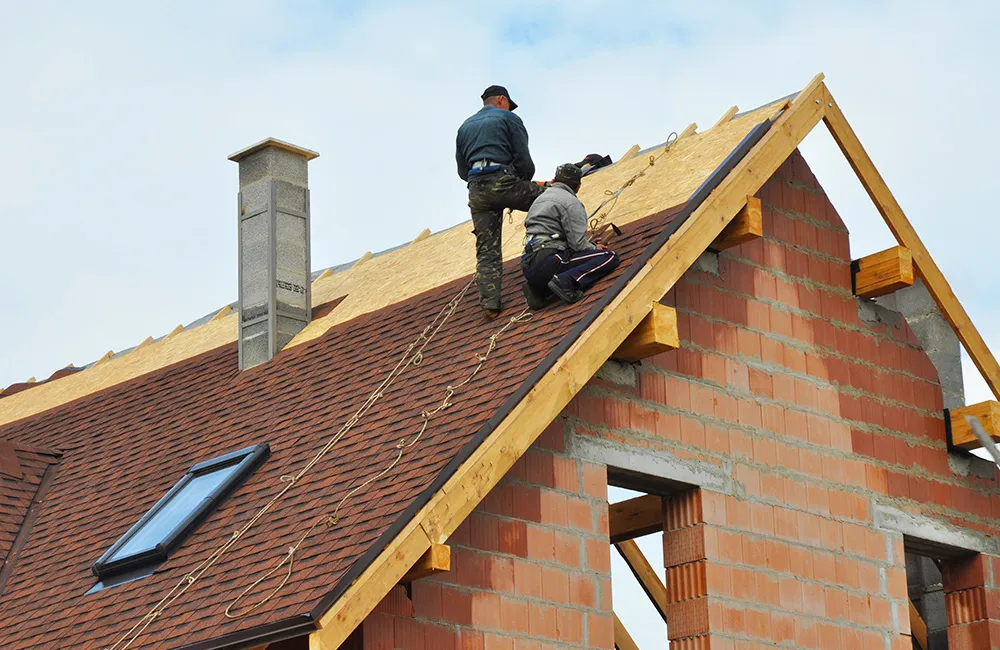
Existing roofing materials are removed to expose the roof deck and prepare for installation.
Structural Repairs
Damaged decking or support components are repaired or replaced to provide a solid foundation.
Installation of a New Roofing System
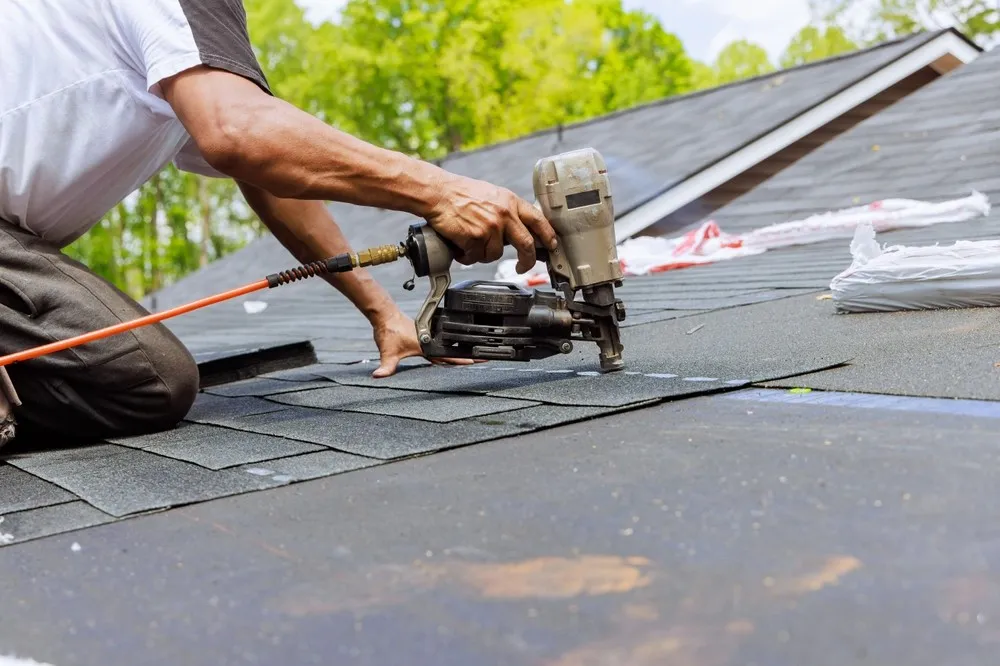
The new roof is installed with underlayment, waterproofing, ventilation, and finishing materials.
Final Inspection and Cleanup
A final inspection confirms quality workmanship, followed by complete site cleanup.
Roofing Materials Used in Roof Replacement Projects
Modern roof replacement services offer a variety of material options to suit different needs and budgets.
Asphalt Shingles
- Cost-effective and widely used
- Suitable for most residential properties
- Available in many styles and colors
Metal Roofing
- Long-lasting and low maintenance
- Resistant to extreme weather conditions
- Improves energy efficiency
Tile Roofing
- Durable and visually appealing
- Ideal for warm climates
- Requires strong roof support
Flat Roofing Systems
- Common for commercial properties
- Easy to inspect and maintain
- Energy-efficient options available
Choosing the right material is key to long-term performance.
Energy Efficiency Advantages of Roof Replacement
One of the most significant benefits of roof replacement is improved energy efficiency. Modern roofing systems are designed to:
- Reduce heat transfer
- Improve insulation effectiveness
- Enhance ventilation airflow
These features help maintain comfortable indoor temperatures and lower energy costs throughout the year.
Factors That Affect Roof Replacement Costs
Roof replacement costs depend on several factors, including:
- Roof size and complexity
- Selected materials
- Labor requirements
- Structural repairs needed
- Local building regulations
While replacement requires an upfront investment, it often saves money over time by reducing repairs and energy expenses.
How to Choose the Right Roof Replacement Contractor
A successful roof replacement depends on the contractor’s expertise. Property owners should look for:
- Proper licensing and insurance
- Clear and detailed estimates
- Experience with similar roofing systems
- Warranty coverage for materials and labor
- Positive customer reviews
Working with a trusted professional ensures long-term reliability and peace of mind.
The Long-Term Benefits of Roof Replacement Services
Roof replacement services provide more than immediate protection. A new roof improves safety, increases property value, enhances curb appeal, and delivers confidence that the building is well protected against future weather conditions.
Conclusion
Roof replacement services are essential when roofing systems reach the end of their lifespan or suffer extensive damage. By investing in professional replacement and modern materials, property owners can protect their homes, improve energy efficiency, and avoid costly future issues.