Roof Replacement Services: Building a Stronger and Safer Property
A roof is a critical structural element that protects a building from weather, temperature changes, and environmental damage. Over time, even the most reliable roofing systems deteriorate. When repairs are no longer effective, professional roof replacement services provide a complete solution that restores safety, durability, and performance.
This article explains the role of roof replacement services, when replacement is necessary, and how a new roof contributes to long-term property value.
Why Roof Replacement Should Not Be Delayed
Many property owners postpone roof replacement until major problems arise. Unfortunately, delaying replacement can lead to extensive interior damage, higher repair costs, and safety risks.
Roof replacement helps prevent:
- Water damage to ceilings and walls
- Mold and mildew caused by trapped moisture
- Structural weakening of the roof deck
- Increased energy loss and higher utility bills
Replacing the roof at the right time protects the entire building system, not just the exterior.
How to Know When Roof Replacement Is the Right Choice
Not all roofing issues require full replacement, but certain conditions clearly indicate that replacement is the most reliable option.
Roof Reaching the End of Its Lifespan
Most roofing materials have a defined service life. Once that limit is reached, performance declines rapidly.
Extensive Material Wear
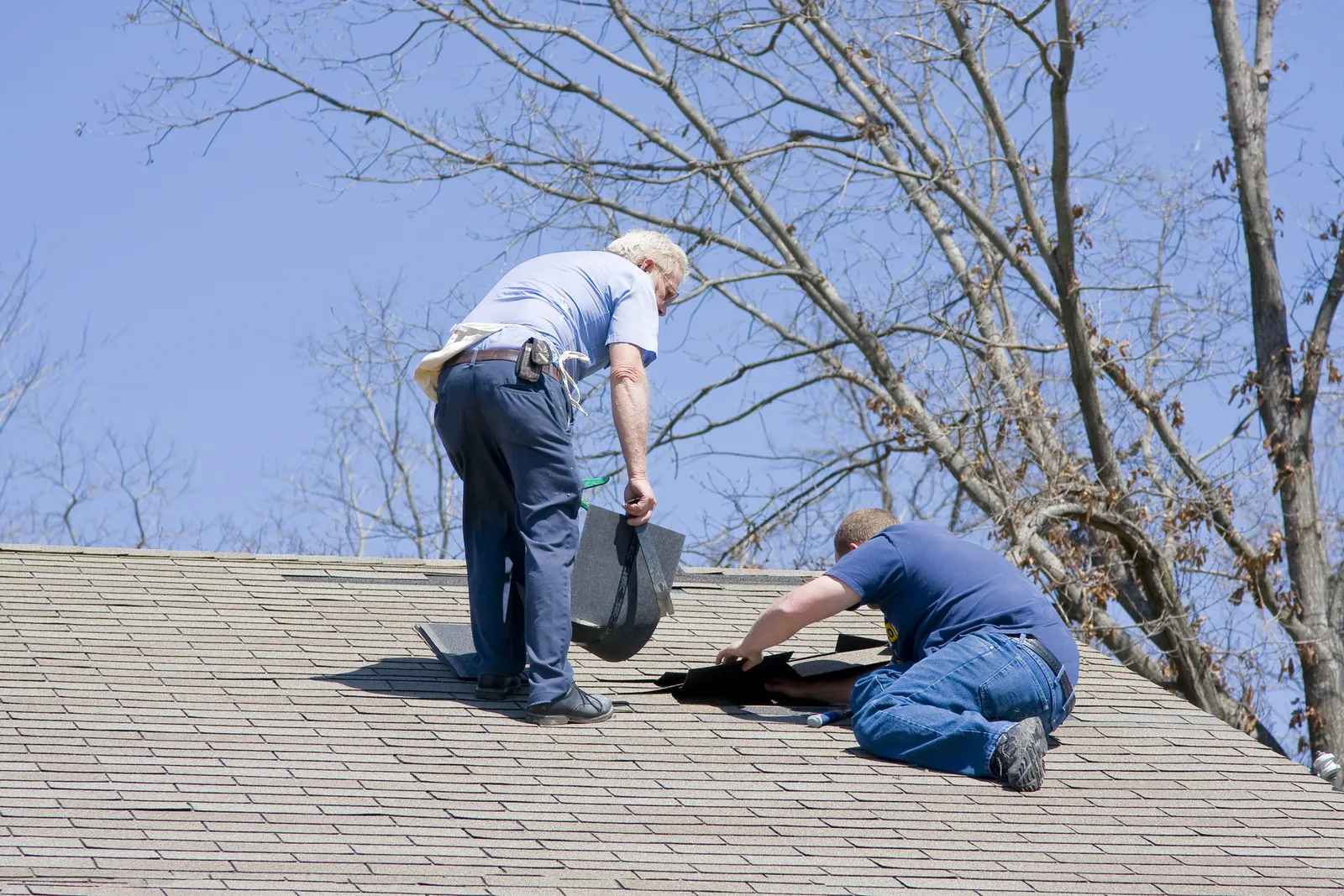
Large areas of cracked, curled, or missing roofing materials signal system-wide deterioration.
Ongoing Leak Problems
Recurring leaks usually indicate underlying damage that cannot be resolved with surface repairs.
Poor Thermal Performance
An aging roof often lacks proper insulation and ventilation, resulting in uncomfortable indoor temperatures.
What Professional Roof Replacement Services Provide
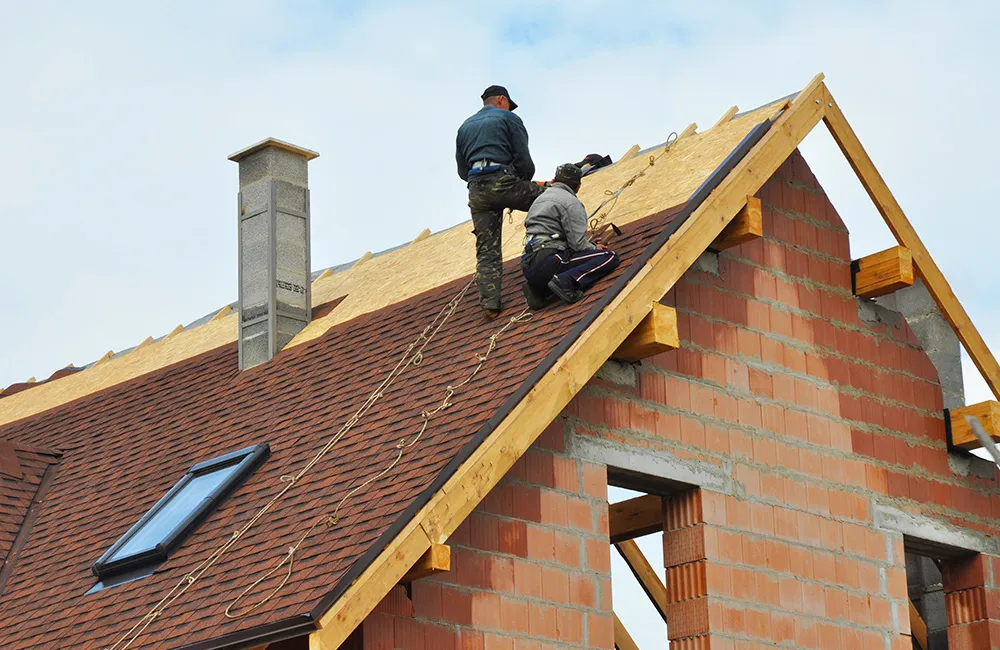
Roof replacement is a detailed and carefully managed process handled by trained professionals.
Thorough Inspection
Contractors assess the roof structure, insulation, ventilation, and flashing to identify all areas of concern.
Removal of Old Roofing Materials
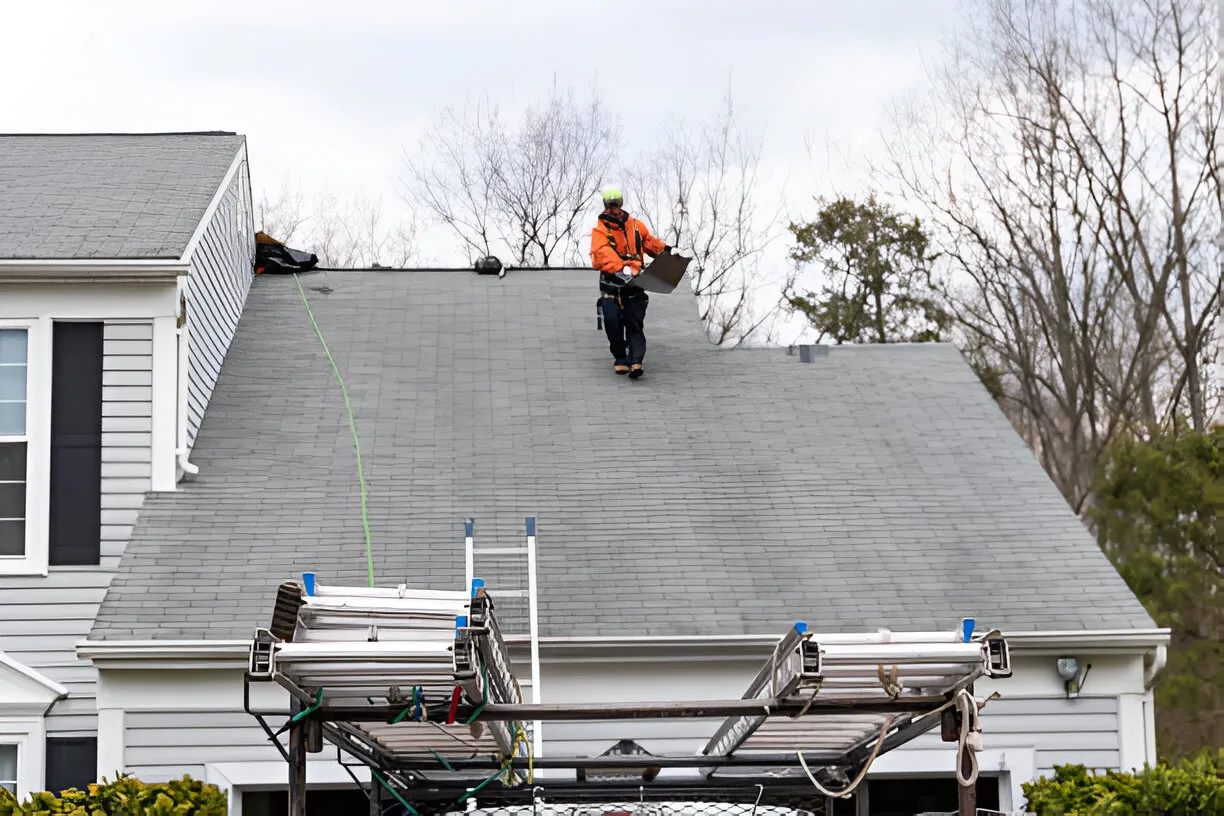
Existing materials are removed to allow full access to the roof deck and structural components.
Structural Repairs and Preparation
Any damaged decking or support areas are repaired to ensure a stable foundation.
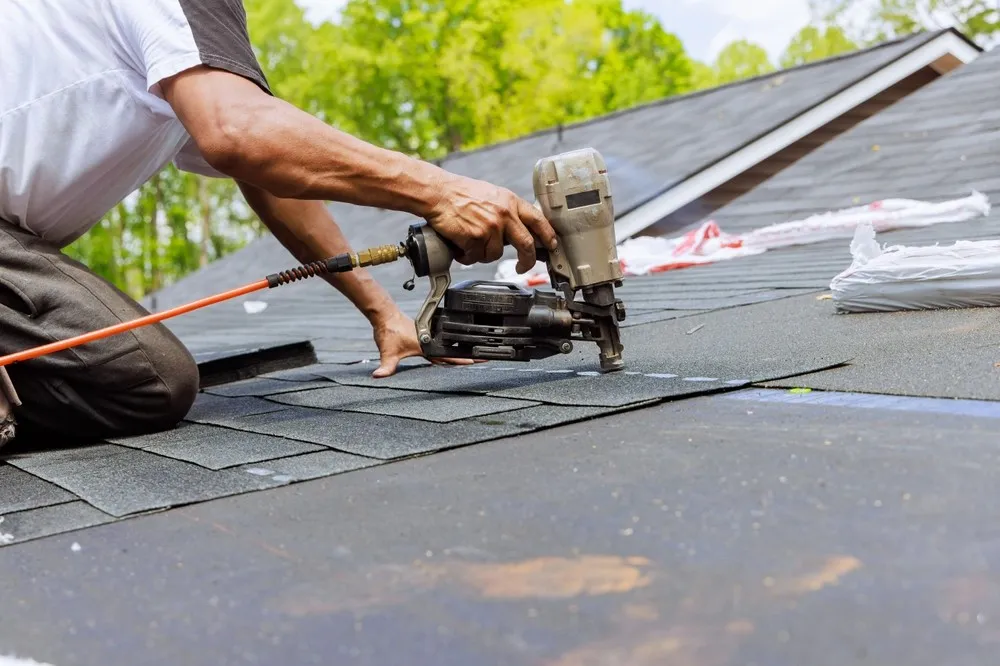
Installation of a New Roofing System
The new roof is installed using modern materials, waterproof barriers, and proper ventilation systems.
Final Quality Control
A final inspection confirms proper installation, durability, and compliance with safety standards.
Roofing Materials Commonly Used for Replacement
Modern roof replacement services offer a wide selection of materials to meet different needs.
Asphalt Shingles
- Affordable and widely available
- Suitable for most residential properties
- Easy to maintain
Metal Roofing
- Long lifespan and strong weather resistance
- Reflects heat, improving energy efficiency
- Low maintenance requirements
Tile Roofing
- Durable and visually appealing
- Ideal for warm climates
- Long service life with proper support
Flat Roofing Systems
- Popular for commercial buildings
- Designed for easy maintenance
- Available with energy-efficient features
Choosing the right material ensures long-term performance and reliability.
Energy Efficiency and Roof Replacement
A new roof significantly improves energy efficiency. Modern roofing systems are designed to:
- Reduce heat transfer
- Improve insulation coverage
- Support proper airflow through ventilation
These features help regulate indoor temperatures and reduce heating and cooling costs throughout the year.
Factors That Influence Roof Replacement Costs
Roof replacement costs depend on several important factors:
- Roof size and design complexity
- Type of roofing material selected
- Labor and installation requirements
- Structural repairs needed
- Local building codes and permit requirements
Although replacement involves an initial investment, it often saves money by reducing future repairs and energy expenses.
Selecting a Qualified Roof Replacement Contractor
The success of a roof replacement project depends heavily on the contractor’s experience. Property owners should choose contractors who offer:
- Proper licensing and insurance
- Detailed written estimates
- Proven experience with similar projects
- Warranty coverage on materials and workmanship
- Strong customer reviews
A qualified contractor ensures the new roof is installed correctly and performs as expected.
Long-Term Benefits of Roof Replacement Services
Roof replacement services provide lasting benefits beyond immediate problem-solving. A new roof improves safety, enhances curb appeal, increases property value, and offers peace of mind knowing the building is well protected against future weather conditions.
Conclusion
Roof replacement services are a vital part of responsible property maintenance. When a roof reaches the end of its lifespan or suffers extensive damage, professional replacement is the most effective solution.
By investing in high-quality materials and expert installation, property owners can ensure long-term protection, improved energy efficiency, and lasting value for their homes or businesses.