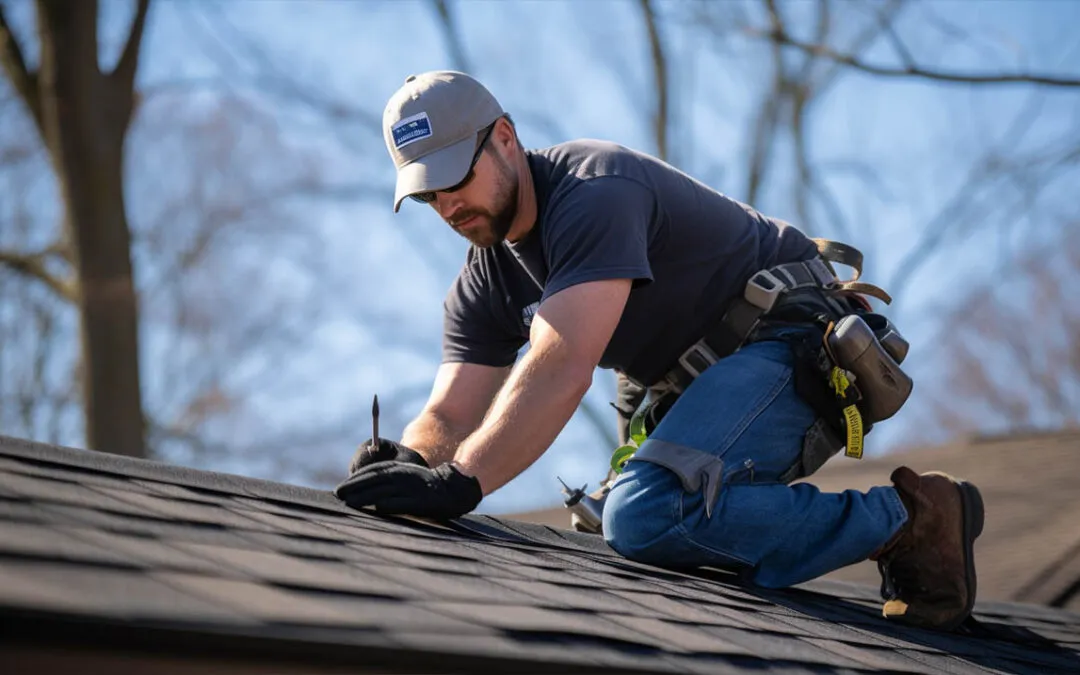
Roof Replacement Services: Key Signs, Material Choices, and Planning a Successful Roof Upgrade
A roof is one of the most important structural components of any home. It protects against weather, improves insulation, and contributes significantly to a property's overall value. Over time, however, even the most durable roofing systems begin to wear down. When repairs are no longer enough, homeowners often turn to professional roof replacement services to restore safety and durability.
Understanding when a roof needs replacement, the materials available, and the planning involved can help homeowners make informed decisions and avoid unexpected costs.
Common Signs That a Roof Replacement May Be Needed
Many homeowners do not realize their roof is failing until significant damage occurs. However, several early warning signs can indicate that a full replacement may soon be necessary.
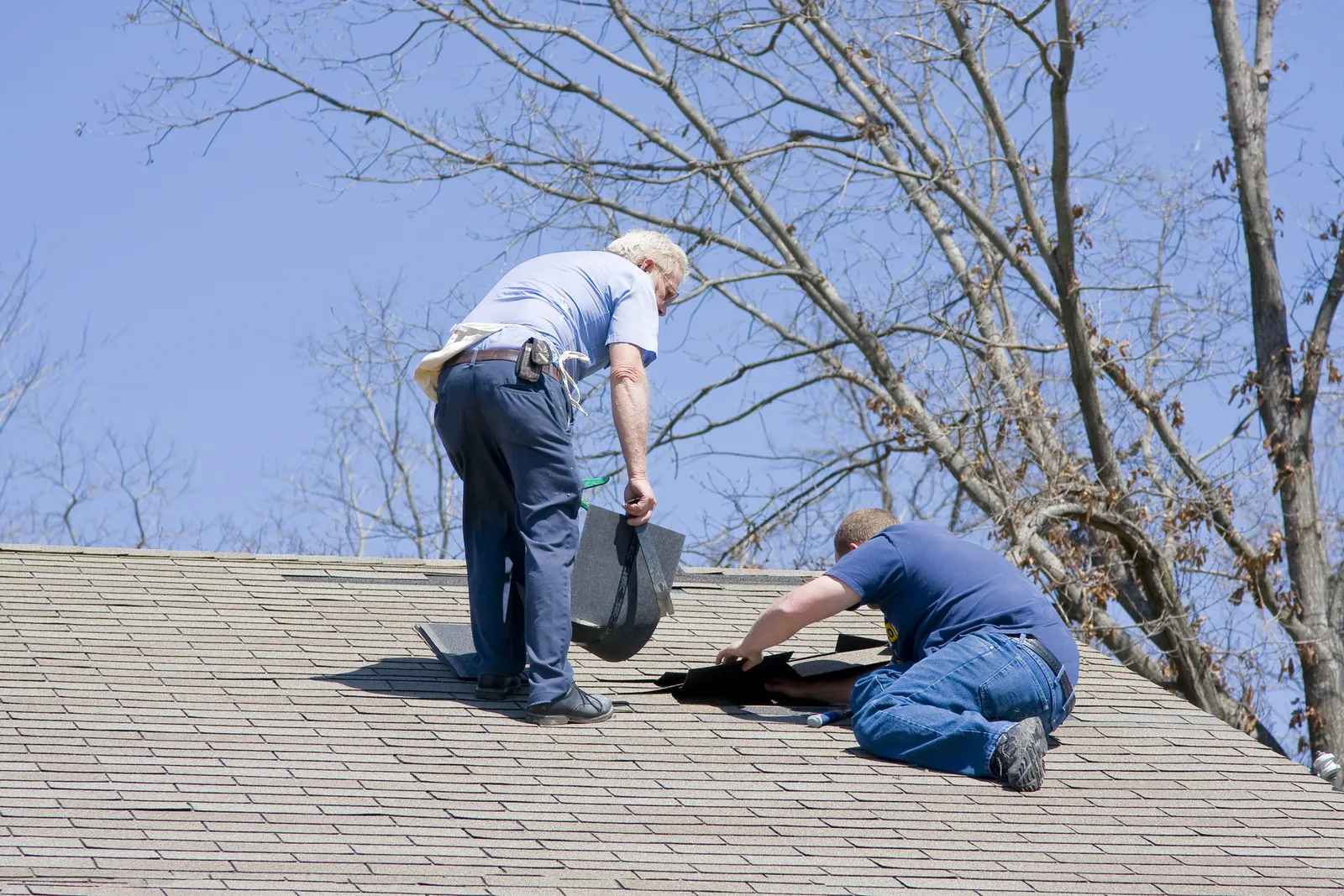
One of the most noticeable indicators is missing or damaged shingles. Shingles that are curling, cracking, or falling off often suggest the roofing system has reached the end of its lifespan.
Water leaks inside the home are another major warning sign. Stains on ceilings or walls often indicate moisture penetration through the roof. Even small leaks can lead to structural damage, mold growth, and insulation issues.
Age is also an important factor. Most roofing systems have a limited lifespan depending on the materials used. Asphalt shingles, for example, typically last between 20 and 30 years, while metal or tile roofs can last longer. When a roof approaches its expected lifespan, replacement may be more cost-effective than continuous repairs.
Granules in gutters, sagging roof sections, and visible daylight in the attic are additional signs that homeowners should not ignore.
Understanding the Roof Replacement Process
Roof replacement services typically follow several structured steps designed to ensure durability and long-term performance.
The process usually begins with a professional inspection. Roofing specialists evaluate the condition of the roof, identify structural concerns, and determine whether replacement is necessary or if repairs may still be viable.
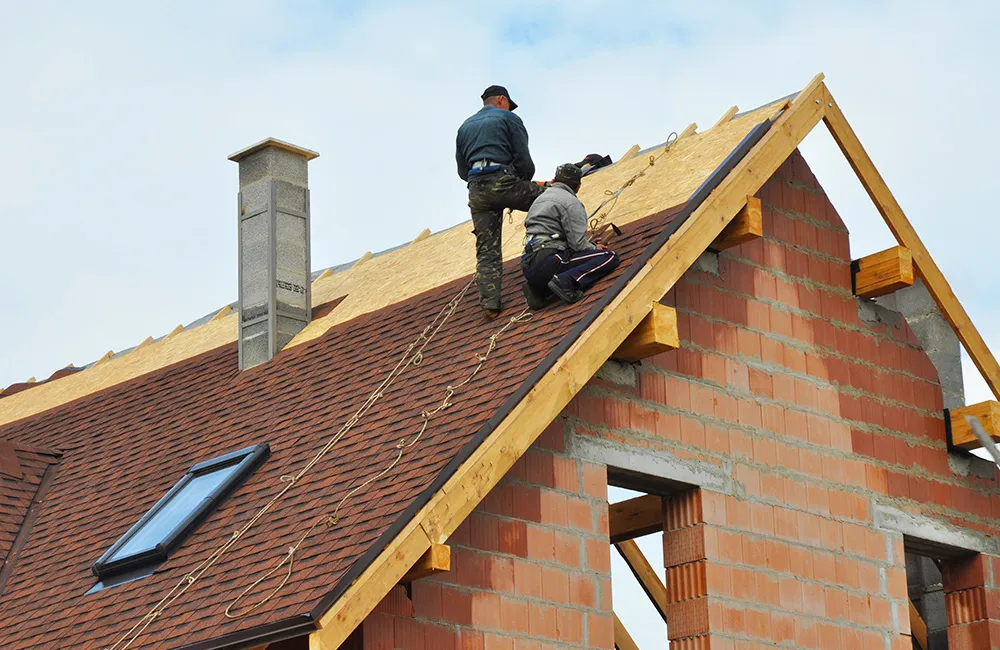
Once replacement is confirmed, contractors remove the old roofing materials. This step allows professionals to examine the roof deck underneath and repair any hidden damage before installing new materials.
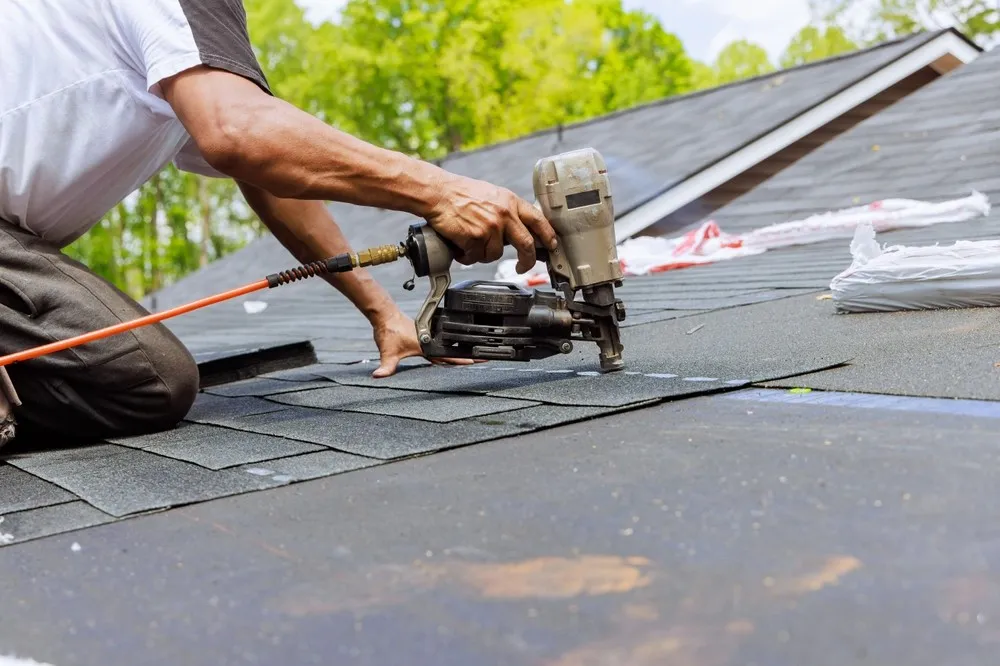
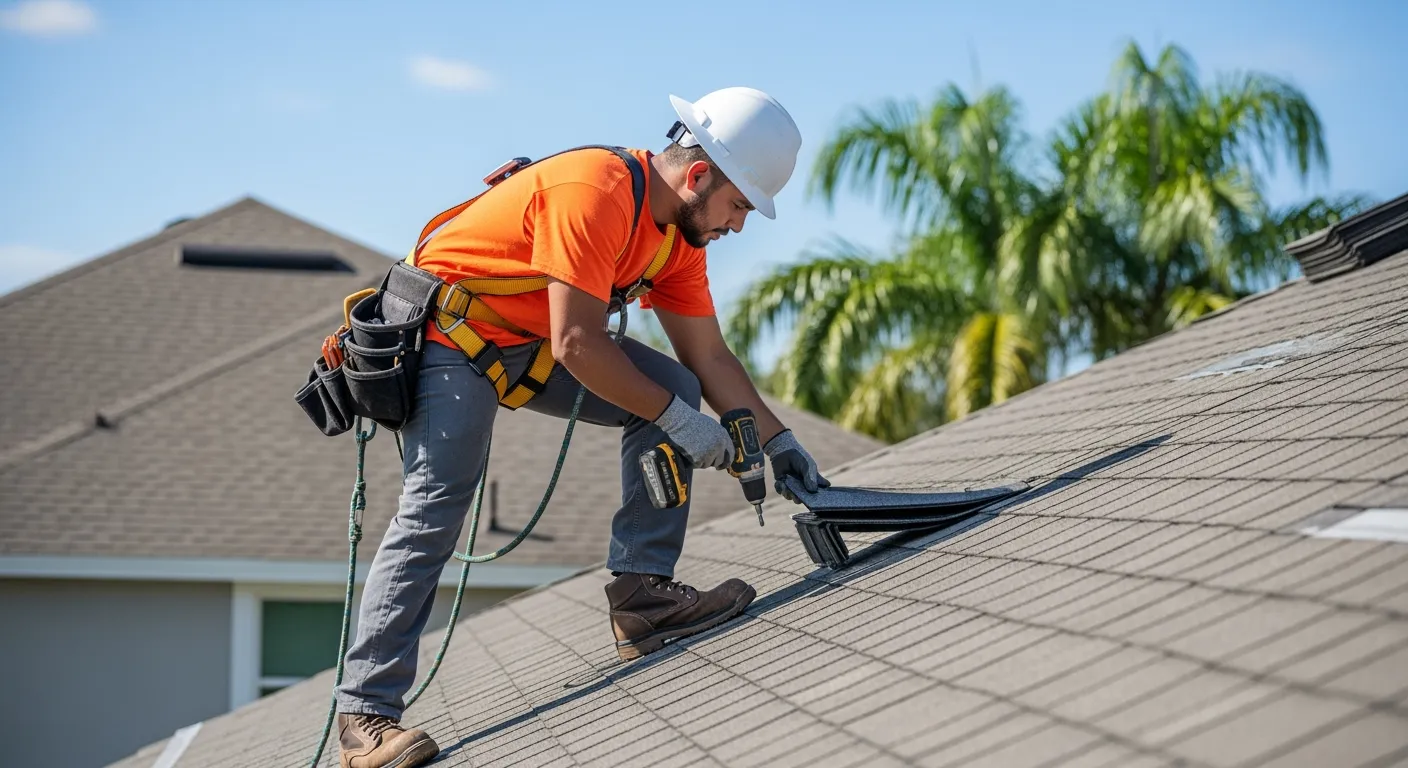
Next comes the installation phase. This includes underlayment, flashing, ventilation components, and the selected roofing material. Proper installation is essential because even high-quality materials can fail if installed incorrectly.
The final stage includes cleanup and a final inspection to ensure the new roof meets safety standards and manufacturer guidelines.
Popular Roofing Materials for Replacement Projects
Choosing the right roofing material is one of the most important decisions homeowners make during a roof replacement. Several options are widely used due to their durability and performance.
Asphalt shingles remain the most common roofing material. They are affordable, widely available, and relatively easy to install. Many homeowners choose asphalt shingles because they offer a good balance between cost and durability.
Metal roofing has gained popularity in recent years. Metal roofs are known for their long lifespan, energy efficiency, and resistance to severe weather. Although the initial cost may be higher, the durability can make it a worthwhile investment.
Tile roofing, including clay or concrete tiles, is another option commonly used in warmer climates. These materials are extremely durable and can last decades, though they require strong structural support due to their weight.
Wood shakes and synthetic roofing materials are also available for homeowners seeking specific aesthetic styles.
Each roofing material offers different benefits in terms of longevity, maintenance, and appearance, making it important to consider climate conditions and budget before making a final choice.
Factors That Influence Roof Replacement Costs
The cost of roof replacement services can vary significantly depending on several factors.
Roof size is one of the most obvious variables. Larger roofs require more materials and labor, increasing overall project costs.
Material choice also has a major impact. Premium materials such as metal or tile typically cost more than traditional asphalt shingles but may offer longer lifespans.
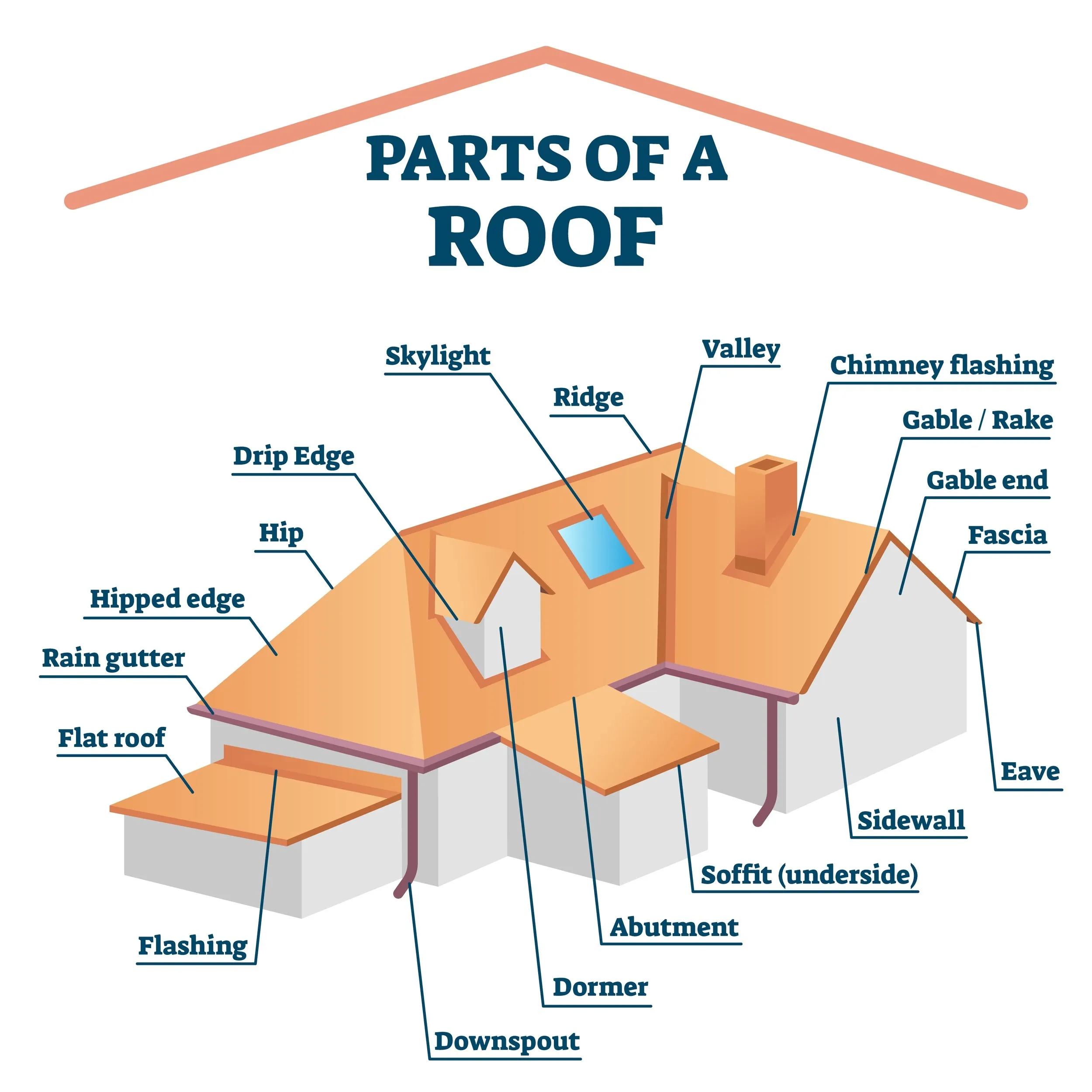
Roof complexity is another factor. Homes with multiple slopes, skylights, chimneys, or complex designs require more installation time and specialized labor.
Local labor rates, disposal costs for old materials, and structural repairs can also affect the final price of a roof replacement project.
Because of these variables, homeowners often benefit from obtaining multiple professional estimates before selecting a contractor.
Benefits of Professional Roof Replacement Services
Hiring experienced roofing professionals provides several important advantages.
Professional contractors have the expertise to identify structural issues that may not be visible to homeowners. They also follow industry standards to ensure proper installation, ventilation, and waterproofing.
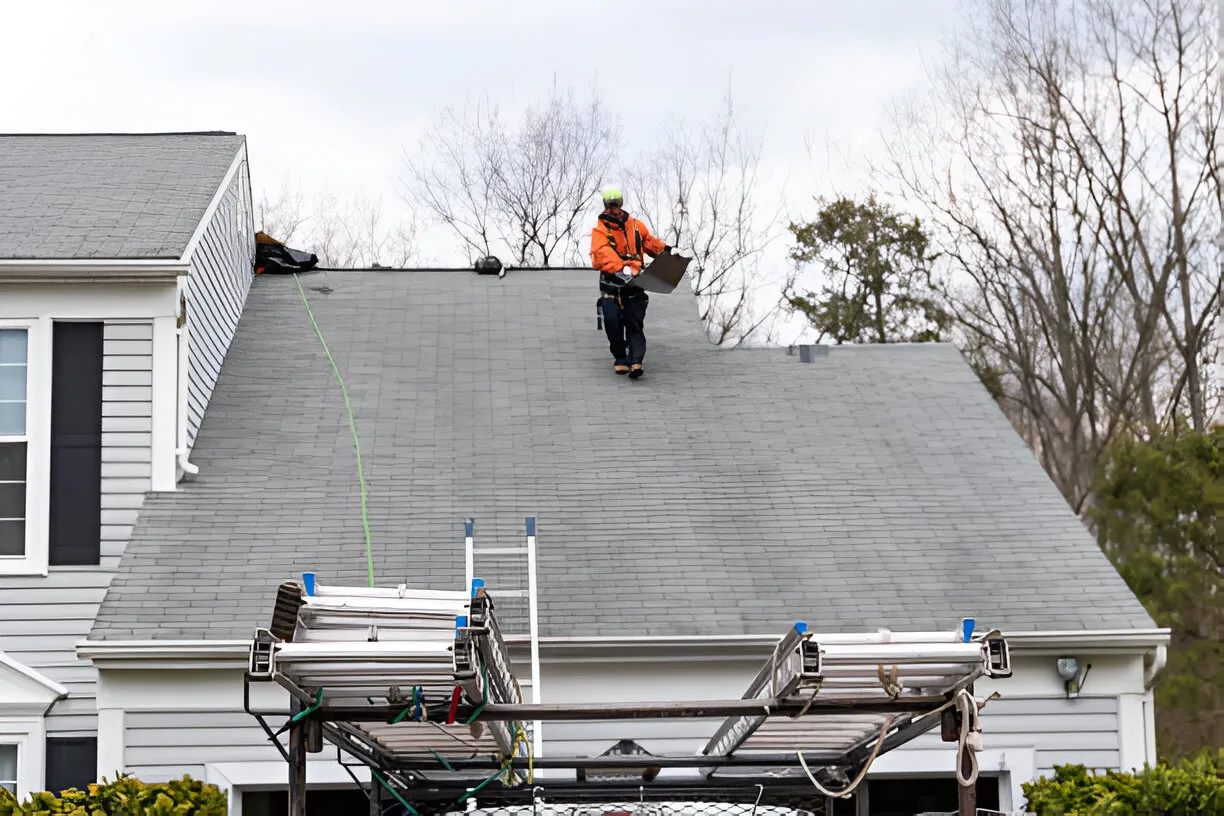
Safety is another key benefit. Roofing work involves significant risk, especially when working on steep or multi-level roofs. Professional crews are equipped with the proper tools and safety training required for these conditions.
In addition, many roof replacement services offer warranties on both materials and labor, giving homeowners additional peace of mind.
A professionally installed roof not only protects the home but can also improve energy efficiency, increase property value, and enhance curb appeal.
Planning a Roof Replacement Project
Homeowners planning a roof replacement should start by scheduling a professional inspection to assess the current roof condition. Early planning can prevent emergency replacements caused by sudden leaks or storm damage.
Budget preparation is also important. Understanding the expected cost range and financing options can make the project easier to manage.
Researching local contractors, reading customer reviews, and verifying licenses and insurance are essential steps when choosing a roofing company.
Finally, homeowners should discuss timelines and material options with contractors to ensure the project aligns with their expectations.
Conclusion
Roof replacement services play a critical role in maintaining the safety, efficiency, and value of a home. Recognizing early signs of roof deterioration, understanding material choices, and working with qualified professionals can help homeowners navigate the replacement process with confidence.
By planning ahead and selecting the right roofing system, homeowners can ensure their new roof provides reliable protection and long-term performance for many years.