Roof Replacement Services: What Homeowners Need to Know in 2025
Roof replacement is one of the most important investments a homeowner can make. Your roof protects your family, your belongings, and the structural integrity of your home. As materials, technology, and building standards continue to evolve, understanding modern roof replacement services is essential for making the right decision in 2025.
This article explores when roof replacement is necessary, the benefits of professional services, popular roofing materials, and how to choose the right contractor.
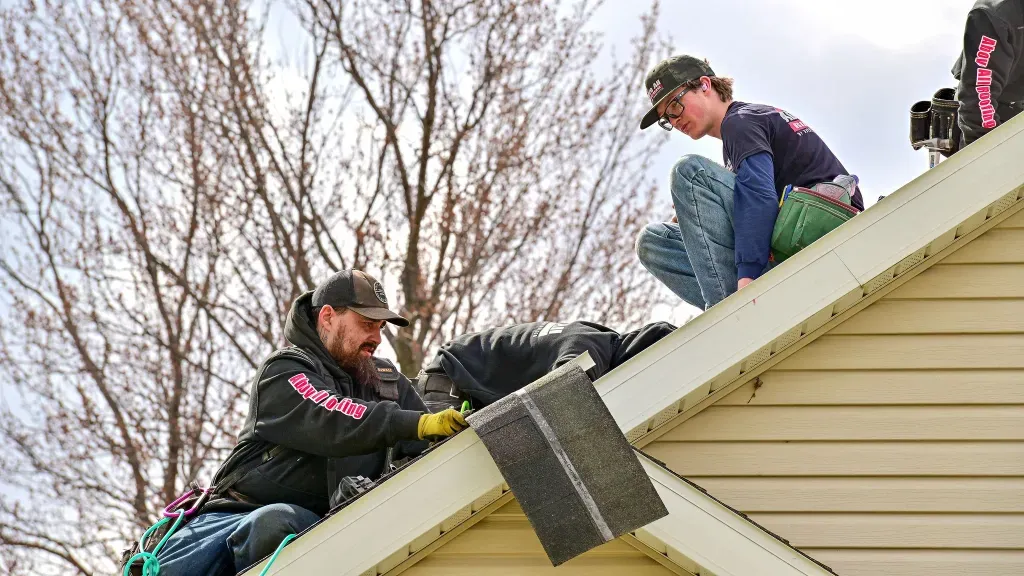
When Do You Need Roof Replacement?
Not every roofing issue requires a full replacement, but there are clear signs that repairs may no longer be enough:
- Roof age: Most asphalt shingle roofs last 20–25 years. Metal and tile roofs may last longer but still degrade over time.
- Frequent leaks: Recurring leaks often indicate widespread damage beneath the surface.
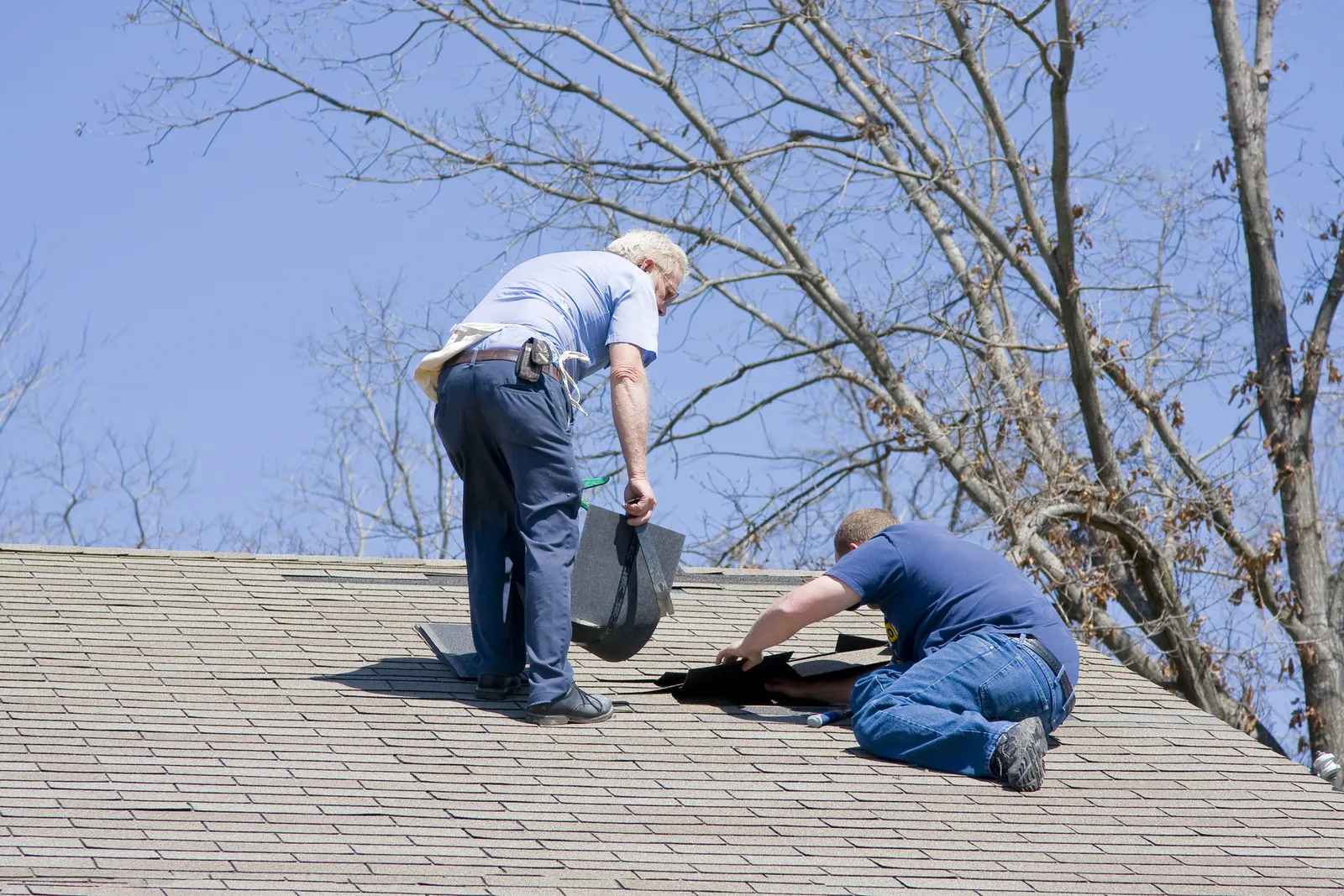
- Missing, cracked, or curling shingles
- Sagging roof structure, which may signal water damage or weakened decking
- Rising energy bills, caused by poor insulation or ventilation
If you notice multiple warning signs, a professional roof inspection can confirm whether replacement is the most cost-effective solution.
Benefits of Professional Roof Replacement Services
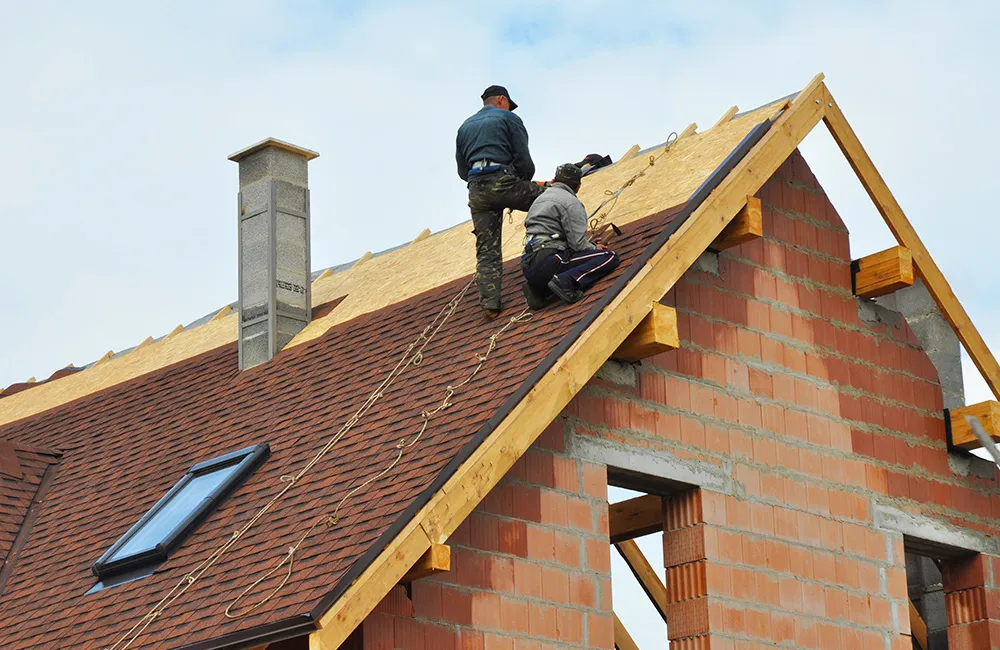
Hiring a professional roof replacement service provides far more than just new shingles. Key benefits include:
1. Enhanced Protection and Safety
A new roof ensures better resistance to extreme weather conditions such as heavy rain, strong winds, and heat waves. Professional installation reduces the risk of leaks, mold growth, and structural damage.
2. Improved Energy Efficiency
Modern roofing materials are designed to reflect heat and improve insulation. This helps maintain indoor temperatures and lowers heating and cooling costs throughout the year.
3. Increased Property Value
A newly replaced roof significantly boosts curb appeal and resale value. Many buyers see a new roof as a major advantage when purchasing a home.
4. Long-Term Cost Savings
While roof replacement is a larger upfront investment, it eliminates ongoing repair costs and minimizes the risk of expensive water damage in the future.
Popular Roofing Materials in 2025
Choosing the right roofing material plays a critical role in durability, aesthetics, and cost. The most common options include:
Asphalt Shingles
- Affordable and widely available
- Easy to install and repair
- Ideal for residential properties
Metal Roofing
- Long lifespan (40–70 years)
- Excellent energy efficiency
- Resistant to fire, insects, and extreme weather
Tile Roofing (Clay or Concrete)
- Highly durable and visually appealing
- Suitable for warm climates
- Requires strong structural support
Flat Roofing Systems (TPO, EPDM, Modified Bitumen)
- Common for commercial buildings
- Cost-effective and easy to maintain
- Energy-efficient options available
A professional roofing contractor can help you choose the best material based on climate, budget, and architectural style.
The Roof Replacement Process Explained
Understanding the roof replacement process helps homeowners prepare and avoid unexpected issues:
- Initial Inspection & Consultation
- The contractor evaluates roof condition, discusses materials, and provides an estimate.
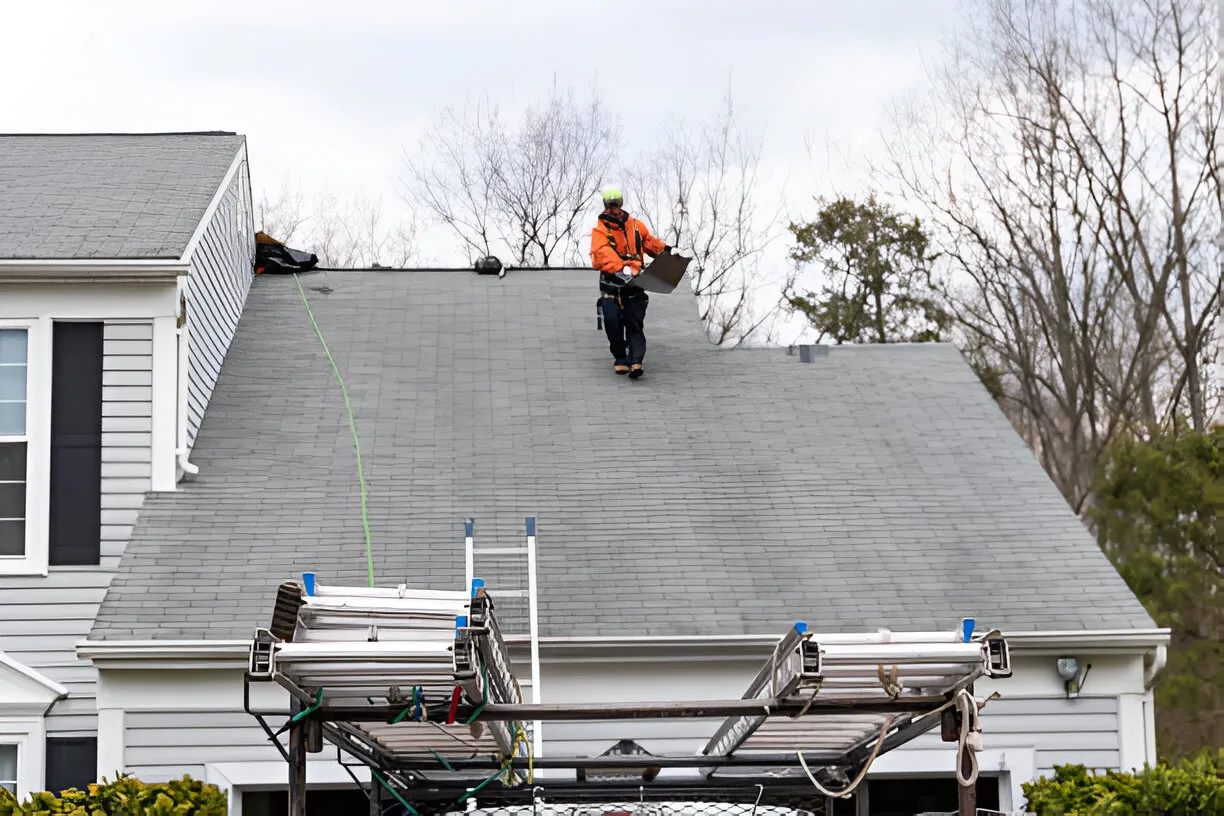
- Removal of Old Roofing
- Existing shingles and damaged underlayment are removed to inspect the roof deck.
- Structural Repairs (If Needed)
- Any rotten wood or structural issues are repaired before installation.
- Installation of New Roofing System
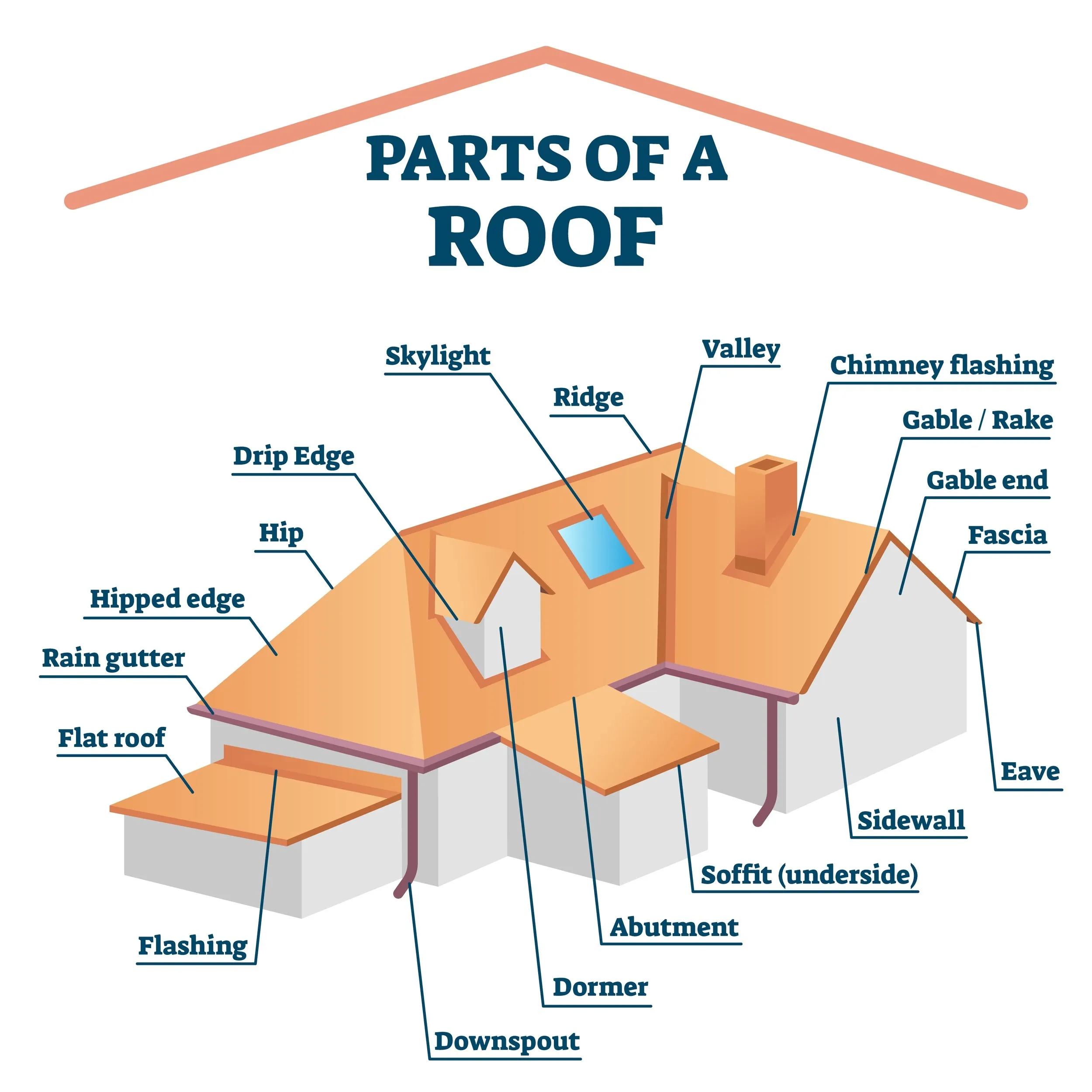
- Includes underlayment, flashing, ventilation, and final roofing materials.
- Final Inspection & Cleanup
- The contractor ensures quality workmanship and cleans the job site.
Most residential roof replacements are completed within 1–3 days, depending on size and complexity.
How to Choose the Right Roof Replacement Contractor
Selecting a reliable contractor is crucial for long-term performance and warranty protection. Consider the following:
- Licensed and insured professionals
- Proven experience and customer reviews
- Clear written estimates and timelines
- Manufacturer-backed warranties
- Transparent communication
Avoid contractors offering unusually low prices, as this may indicate substandard materials or workmanship.
Roof Replacement Trends to Watch
In 2025, homeowners are increasingly focused on:
- Eco-friendly roofing materials
- Cool roofs that reduce heat absorption
- Improved attic ventilation systems
- Smart roofing inspections using drones
These innovations not only improve performance but also align with sustainable building practices.
Final Thoughts
Roof replacement services are a vital part of home maintenance and long-term property protection. Investing in a high-quality roofing system installed by experienced professionals ensures safety, energy efficiency, and peace of mind for years to come.